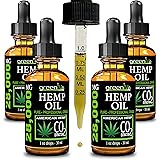

Many pet parents are actively seeking innovative solutions to enhance their dog’s well-being, with studies indicating a growing interest in natural and alternative therapies. As highlighted in the video above, CBD oil for dogs has emerged as a significant topic, sparking numerous conversations about its potential medical benefits. Navigating the wealth of information available requires a clear understanding of the science, proper application, and quality standards to ensure safe and effective use for your beloved canine companion. Separating reliable facts from pervasive fiction is crucial for any responsible pet owner contemplating this natural supplement.
The Canine Endocannabinoid System: A Key to Understanding CBD for Dogs
A fundamental aspect of CBD’s efficacy in dogs lies within their unique physiological makeup, specifically their endocannabinoid system (ECS). Dogs possess a remarkable “10 times more cannabinoid receptors” in their brains compared to humans, a significant factor that underscores their heightened sensitivity and potential responsiveness to cannabinoids. This extensive network of receptors, primarily CB1 and CB2, interacts with endocannabinoids produced naturally by the body, playing a vital role in regulating a vast array of bodily functions, including mood, pain sensation, appetite, and immune response.
When CBD, a phytocannabinoid from the cannabis plant, is introduced, it interacts with these receptors, influencing the ECS to maintain balance and homeostasis. Unlike its counterpart, THC, CBD is entirely non-psychoactive, meaning it will not produce a “high” effect in your dog, ensuring their mental clarity remains unaffected. Hemp plants are naturally rich in CBD and contain only trace amounts of THC, typically “no more than .3%,” making them the preferred source for safe canine CBD products. Full spectrum hemp oil products specifically leverage not just CBD, but also other beneficial cannabinoids, terpenes, and flavonoids present in the plant, working synergistically to create what is known as the “entourage effect,” potentially enhancing overall therapeutic outcomes.
Diverse Applications: How CBD Can Support Your Dog’s Health
The potential therapeutic scope of CBD oil for dogs is remarkably broad, offering relief for a multitude of prevalent canine conditions, as mentioned in the video. One of the most common applications involves alleviating chronic pain and inflammation, particularly in dogs suffering from arthritis or joint issues. CBD’s anti-inflammatory properties can significantly reduce discomfort, improving mobility and overall quality of life for aging or injured pets. For instance, research suggests that CBD can help modulate pain pathways and decrease inflammatory markers, providing a more comfortable existence for dogs with degenerative joint diseases.
Beyond physical discomfort, CBD has shown considerable promise in managing various forms of anxiety in dogs. This includes separation anxiety, noise phobias stemming from fireworks or thunderstorms, and general stress-related behaviors. By interacting with serotonin receptors, CBD can promote a sense of calm and relaxation without sedation, helping anxious dogs cope more effectively with stressful situations. Furthermore, preliminary studies and anecdotal evidence suggest that CBD can be a valuable adjunctive treatment for canine seizures, potentially reducing their frequency and severity by modulating neuronal excitability and acting as a neuroprotectant, offering hope for dogs with epilepsy.
Precision is Paramount: Navigating Canine CBD Dosing
Achieving the desired therapeutic effect with CBD oil for dogs hinges critically on administering the correct dosage, a point strongly emphasized by veterinary experts. CBD oil is available in a wide spectrum of potencies, ranging from 75 mg to over 1000 mg per bottle, reflecting the total CBD content within that specific volume, usually measured in milliliters. To accurately determine the appropriate dose for your dog, you must first calculate the amount of CBD present in each milliliter of oil. This calculation involves dividing the total CBD potency (in milligrams) by the total volume of the bottle (in milliliters).
For example, if a 30 ml bottle contains 250 mg of CBD, each milliliter would deliver approximately 8.33 milligrams of CBD (250 mg ÷ 30 ml). Alternatively, a more potent 600 mg bottle of the same 30 ml size would yield 20 milligrams of CBD per milliliter (600 mg ÷ 30 ml), making it significantly more concentrated. Veterinary practitioners generally recommend starting with a low dose, typically between “0.2 and 0.5 mg of CBD per pound of body weight,” adjusting based on the dog’s specific needs and the severity of their condition. For larger dogs, purchasing a higher potency product often proves more economical and effective, as smaller volumes of oil are needed to deliver the required milligram dose, simplifying administration and ensuring consistency.
The Gold Standard: Quality Control in CBD Products
With the expanding market for “CBD oil for dogs,” discerning between high-quality products and substandard offerings has become absolutely crucial for pet parents. The efficacy and safety of any CBD product are directly tied to its manufacturing process and the purity of its ingredients. A reputable CBD product will always clearly state its cannabinoid potency, specifying the exact amount of CBD and other cannabinoids present per serving or per bottle, allowing for precise dosing calculations.
The most critical indicator of product quality and safety, as highlighted in the video, is the availability of a “third-party Certificate of Analysis (COA) from the manufacturer.” This independent laboratory report verifies the product’s contents, confirming the stated CBD and THC levels while meticulously screening for contaminants such as residual pesticides, heavy metals, harmful solvents, and microbial impurities. The presence of these undesirable substances can pose significant health risks to your pet, making the COA an indispensable tool for ensuring product integrity. Opting for brands that use CO2 extraction methods and demonstrate full transparency in their sourcing and testing practices provides an additional layer of assurance for your dog’s well-being.
Navigating Potential Side Effects and Essential Veterinary Consultation
While CBD oil is widely considered safe for dogs, especially when administered correctly, it is important for pet parents to be aware that “some dogs do experience side effects,” albeit rarely. These reactions are typically mild and transient, often occurring when doses are excessively high or if a dog has particular sensitivities. Common side effects might include temporary hyperactivity or restlessness, which can sometimes be paradoxical to CBD’s calming properties, suggesting the need for a dosage adjustment. Digestive upset, such as vomiting or diarrhea, may also occur, indicating either a sensitivity to the oil’s carrier (like MCT oil) or an overly concentrated dose.
In very rare instances, dogs might exhibit allergy symptoms, although this is more likely related to other ingredients in the product rather than the CBD itself. Should you observe any adverse reactions in your dog, it is imperative to discontinue use immediately and contact your veterinarian for guidance. Furthermore, before introducing CBD oil or any new supplement into your dog’s regimen, a consultation with your veterinarian is absolutely essential. Your vet can provide personalized advice, consider any pre-existing health conditions, and ensure that CBD does not interact negatively with other medications your dog may be taking, ensuring that the product chosen is truly appropriate and beneficial for their specific needs.
Pawsitive Answers: Your CBD Oil for Dogs Q&A
What is CBD oil for dogs?
CBD oil for dogs is a natural supplement made from the hemp plant. It works with your dog’s internal system to help maintain balance and well-being without causing a ‘high’ feeling.
What are the potential benefits of CBD oil for my dog?
CBD oil can potentially help dogs by alleviating chronic pain and inflammation, supporting those with conditions like arthritis, and managing various forms of anxiety such as separation anxiety or noise phobias.
How do I know the correct dose of CBD oil for my dog?
It’s recommended to start with a low dose, typically between 0.2 and 0.5 mg of CBD per pound of your dog’s body weight. Always consult with your veterinarian for specific guidance tailored to your dog’s needs.
How can I tell if a CBD oil product for dogs is high quality?
Look for products that clearly state their CBD potency and, most importantly, provide a ‘third-party Certificate of Analysis (COA).’ This report verifies the product’s contents and confirms it’s free from harmful contaminants.
Are there any side effects of CBD oil for dogs?
While generally considered safe, some dogs may experience mild side effects like temporary hyperactivity, restlessness, or digestive upset. If you observe any adverse reactions, discontinue use and contact your veterinarian.