
Walking through the aisles of any modern beauty store, or even browsing online, you’ve likely encountered a veritable explosion of products promising revolutionary skincare benefits. From serums to moisturizers, and even mascaras, a particular ingredient has been sprouting up everywhere: CBD. This cannabinoid has swiftly transitioned from a niche wellness supplement into a mainstream beauty phenomenon, sparking both immense curiosity and a fair bit of confusion. If you’ve ever wondered if these CBD beauty products are truly the game-changers they claim to be, or simply a clever marketing ploy, the video above provides an excellent starting point for understanding the landscape. However, the world of cannabidiol in skincare is more nuanced than it often appears.
The allure is undeniable. Claims of eased dry skin, reduced inflammation, and alleviated various skin issues, all thanks to CBD’s vaunted anti-inflammatory and antioxidant properties, paint a picture of a miracle ingredient. Yet, separating the scientific truth from the pervasive marketing buzz requires a closer look. Let’s delve deeper into what makes CBD a topic of such intense discussion in the beauty industry, expanding on the key distinctions and considerations vital for any discerning consumer.
Understanding Cannabidiol: Dispelling the “High” Myth in Skincare
One of the most persistent misconceptions surrounding CBD is its association with recreational cannabis use. It’s a common fear, as Saina Taidi noted in the video, that applying CBD oil might introduce psychoactive chemicals into your system. This couldn’t be further from the truth. Cannabidiol, or CBD, is indeed a compound found in the cannabis plant, but critically, it is non-psychoactive. This means it will not get you high.
The psychoactive component people typically associate with cannabis is Tetrahydrocannabinol, or THC. While both CBD and THC are cannabinoids, they interact with the body’s endocannabinoid system in distinctly different ways. THC is primarily found in marijuana plants and is responsible for the intoxicating effects. CBD, on the other hand, is abundant in industrial hemp and, when derived from this source, contains less than 0.3% THC, a negligible amount that has no psychoactive impact. Understanding this fundamental difference is the first step to confidently exploring the potential benefits of CBD beauty products without apprehension.
Hemp Seed Oil vs. CBD Oil: Navigating the Labeling Labyrinth
Perhaps one of the most significant challenges for consumers is deciphering product labels. The video highlighted a concerning statistic: a 2017 study revealed that nearly 70% of CBD products sold online were mislabeled. This rampant misrepresentation often stems from a crucial distinction that many brands, intentionally or not, obscure: the difference between hemp seed oil and true CBD oil.
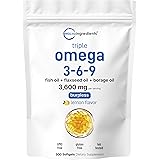
Hemp seed oil, also known as cannabis sativa seed oil, has been a staple in cosmetics for decades. It’s extracted from the seeds of the hemp plant and is rich in omega fatty acids (like omega-3 and omega-6), vitamins, and minerals. It’s a fantastic moisturizer and emollient, known for its nourishing properties without containing any cannabinoids like CBD or THC. The mascara example in the video perfectly illustrates this confusion – it contained hemp seed oil, not CBD. While beneficial, it doesn’t offer the specific anti-inflammatory or antioxidant properties attributed to cannabidiol.
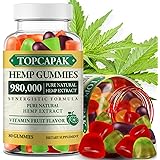
CBD oil, in contrast, is extracted from the leaves, flowers, and stalks of the hemp plant, where cannabinoids are concentrated. As Saina Taidi explained, it’s a “finer and lighter oil” and is the component that carries the much-touted therapeutic potential. When searching for genuine CBD beauty products, look for ingredients listed as “cannabidiol,” “CBD,” “hemp extract,” or “full-spectrum hemp.” If a product only lists “hemp seed oil” or “cannabis sativa seed oil,” you’re getting a nourishing emollient, but not the specific benefits of CBD itself.
Types of CBD Extracts: Beyond the Basics
The world of CBD extracts further diversifies the product landscape. Understanding these types is crucial for making informed choices:
- Full-Spectrum CBD: This extract contains all the cannabinoids, terpenes, flavonoids, and fatty acids naturally found in the hemp plant, including trace amounts of THC (less than 0.3%). The theory is that these compounds work synergistically, creating an “entourage effect” that enhances CBD’s overall benefits.
- Broad-Spectrum CBD: Similar to full-spectrum, but with the THC completely removed (or reduced to undetectable levels). It offers the benefits of multiple cannabinoids and plant compounds without any concern for THC.
- CBD Isolate: This is the purest form of CBD, containing 99%+ cannabidiol and no other plant compounds. It’s odorless, tasteless, and THC-free. While it offers pure CBD, it lacks the potential entourage effect of broader extracts.
Most quality CBD beauty products will utilize full-spectrum or broad-spectrum extracts to maximize the potential benefits for skin health.
The Legal Landscape: From Farm Bill to Federally Licensed Pot Shops
The legality of CBD underwent a monumental shift in the United States with the passing of the 2018 Farm Bill. This legislation legalized hemp-derived CBD (containing less than 0.3% THC) at the federal level across all 50 states, leading to the massive boom in products we see today. However, it’s important to note that state-specific regulations can still vary, and marijuana-derived CBD (which typically has higher THC content) remains federally illegal, available only in states where marijuana itself has been legalized for medicinal or recreational use.
In Canada, the situation differs slightly, as mentioned in the video. While topicals containing cannabis are legal, they can only be purchased from federally licensed pot shops, highlighting a more controlled distribution system compared to the largely unregulated US market for hemp-derived products. These varying legal frameworks contribute to the complexity of the CBD beauty products market, impacting product availability and consumer access.
Science vs. Marketing: Do CBD Beauty Products Really Work?
This is the million-dollar question. As Dr. Sandy Skotnicki points out, when it comes to skincare, CBD has become a “hot topic” where “everyone’s jumping on the bandwagon,” with “more marketing than science.” While CBD boasts well-documented anti-inflammatory and antioxidant properties, translating these into definitive skincare benefits isn’t always straightforward.
Anti-inflammatory Action: A Key Promise
Inflammation is a root cause of many skin concerns, including acne, redness, irritation, and even premature aging. CBD’s ability to modulate the body’s inflammatory response has been extensively studied in other contexts, particularly for pain control and arthritic pain, where Dr. Skotnicki noted the most powerful studies exist. For skincare, this means CBD could potentially help calm angry, red skin, reduce breakouts, and soothe conditions like eczema or psoriasis. However, specific, large-scale clinical trials directly proving CBD’s efficacy for these skin conditions are still emerging. Early research is promising, but it’s not yet a guaranteed “acne-clearing” or “wrinkle-erasing” solution.
Antioxidant Power: Fighting Free Radicals
Antioxidants are crucial for protecting the skin from environmental damage caused by free radicals, which contribute to collagen breakdown and accelerate the aging process. CBD is known to be a potent antioxidant, potentially surpassing even vitamins C and E in some aspects. In theory, incorporating CBD into your skincare routine could help protect your skin from oxidative stress, reduce signs of aging, and promote a healthier complexion. Again, while the antioxidant property of CBD is scientifically recognized, its specific impact and optimal concentration in topical CBD beauty products for significant visible improvements are still under active investigation.
The lack of extensive, peer-reviewed human trials specifically for skincare applications means that while the theoretical benefits are strong, definitive evidence for widespread claims like “clearing up acne” or “erasing wrinkles” is currently limited. Consumers should maintain a healthy skepticism and look for products that offer transparent scientific backing rather than relying solely on marketing hype.
Potential Side Effects and Smart Consumption
Just because something is “plant-based” or “natural” doesn’t automatically make it free from side effects. As Dr. Skotnicki wisely cautioned, “Anything that comes from the Earth can give you a rash.” As the use of CBD in cosmetics increases, especially in higher concentrations and in sensitive areas like lips and around the eyes, the potential for allergic reactions or irritation also rises.
Common mild side effects for topical CBD can include localized redness, dryness, or irritation, particularly for individuals with sensitive skin or allergies to other botanical ingredients. It’s always a good practice to perform a patch test on a small, inconspicuous area of skin (like behind the ear or on the inner forearm) before applying a new CBD beauty product extensively.
Furthermore, while less common with topical application, oral CBD can interact with certain medications, particularly those metabolized by the cytochrome P450 enzyme system in the liver. Always consult with a healthcare professional if you are taking medications or have underlying health conditions before incorporating any new supplement, including CBD, into your regimen.
Choosing Wisely: A Consumer’s Guide to CBD Beauty Products
Given the complexities of labeling, regulation, and scientific evidence, how can you make an informed choice when considering CBD beauty products?
- Scrutinize the Ingredient List: Look for “cannabidiol,” “CBD,” “hemp extract,” or “full-spectrum/broad-spectrum hemp.” Avoid products that only list “hemp seed oil” if your goal is to benefit from CBD.
- Check for Third-Party Lab Testing (COA): Reputable brands will provide a Certificate of Analysis (COA) from an independent third-party lab. This document verifies the product’s CBD content, confirms it contains less than 0.3% THC (or is THC-free), and ensures it’s free from contaminants like heavy metals, pesticides, and mold. If a brand can’t provide this, steer clear.
- Understand Concentration: CBD content is usually measured in milligrams (mg). Higher concentrations don’t always mean better, but it’s important to know what you’re getting. For skincare, concentrations often range from 100mg to 1000mg or more per product. Start with lower concentrations to assess your skin’s reaction.
- Research the Brand: Look for companies with transparent practices, good customer reviews, and a commitment to quality sourcing and manufacturing.
- Consider Packaging: CBD can degrade when exposed to light and air. Opt for products packaged in opaque, airtight containers (like dark glass bottles or airless pumps) to maintain potency.
- Start Small: Introduce new CBD beauty products one at a time and monitor your skin’s response. Patch testing is always recommended.
Ultimately, the journey into CBD beauty is one of cautious optimism. While the science is still catching up to the marketing, the inherent anti-inflammatory and antioxidant properties of CBD offer a compelling reason to explore its potential. By being an educated consumer, understanding label distinctions, and demanding transparency, you can navigate this exciting, yet complex, category with confidence.
CBD Beauty: Your Questions Answered
What is CBD and will it make me feel “high” when used in beauty products?
CBD (Cannabidiol) is a compound from the cannabis plant that is non-psychoactive. It won’t get you high because hemp-derived CBD products contain only a tiny, negligible amount of THC, which is the psychoactive component.
What is the difference between “hemp seed oil” and “CBD oil” on product labels?
Hemp seed oil is extracted from the seeds and is a great moisturizer but does not contain CBD. CBD oil, however, comes from the leaves, flowers, and stalks of the hemp plant and contains the beneficial CBD compound.
Are CBD beauty products legal to buy and use?
Yes, in the United States, hemp-derived CBD products that contain less than 0.3% THC are federally legal. It’s good to be aware that specific state regulations might still vary.
How can I tell if a CBD beauty product is legitimate and good quality?
To ensure quality, look for “cannabidiol” or “hemp extract” on the ingredient list, not just “hemp seed oil.” Also, reputable brands provide a Certificate of Analysis (COA) from a third-party lab, which verifies the product’s CBD content and purity.