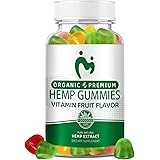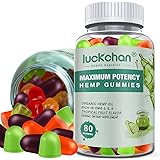

Many individuals are curious about CBD oil. Its widespread popularity has generated much discussion. However, confusion often surrounds what CBD truly is and how it functions. This article aims to clarify the facts about CBD oil, building upon the essential information presented in the video above.
Understanding CBD Oil: What is Cannabidiol?
CBD oil is derived from cannabidiol. Cannabidiol, or CBD, is a natural compound. It is found in the Cannabis sativa plant. This plant is more commonly known as marijuana or hemp. CBD is just one of over 100 such compounds. These compounds are known as cannabinoids.
Moreover, CBD is non-intoxicating. This means it does not cause a “high.” This contrasts sharply with tetrahydrocannabinol, or THC. THC is another cannabinoid. It is responsible for cannabis’ psychoactive effects.
The Cannabis Plant: Hemp Versus Marijuana
The source of CBD oil is important. CBD can be extracted from both hemp and marijuana plants. Both are types of Cannabis sativa. However, they differ significantly in their THC content. Hemp plants naturally contain very low levels of THC. Often, this is less than 0.3%. Marijuana plants, conversely, have much higher THC concentrations. Therefore, most legal CBD products are derived from hemp. This ensures they meet federal regulations. Such regulations typically mandate minimal THC content.
How Do Cannabinoids Interact with the Body?
Cannabinoids interact with the body’s systems. They do this via the endocannabinoid system (ECS). The ECS is a complex cell-signaling system. It was discovered in the early 1990s. This system plays a crucial role. It helps regulate various physiological processes. These include mood, appetite, memory, and pain sensation.
The ECS involves specific receptors. These are known as CB1 and CB2 receptors. CB1 receptors are primarily found in the brain. They influence coordination and movement. They also affect pain, mood, and other functions. CB2 receptors are located mainly in the immune system. They impact inflammation and pain. Cannabinoids like CBD interact with these receptors. This interaction helps the body maintain balance.
Furthermore, CBD’s interaction is unique. It does not bind directly to CB1 and CB2 receptors. Instead, it influences them indirectly. It also affects other non-cannabinoid receptors. These include serotonin receptors. Consequently, its effects are broad. They do not produce the typical “high.”
Exploring the Potential Benefits of CBD Oil
Research into CBD oil is expanding rapidly. Many studies are exploring its therapeutic potential. The video highlights several key areas. These warrant further discussion.
CBD for Mood and Anxiety
Many individuals seek help for anxiety and depression. CBD may offer potential relief. It is believed to interact with serotonin receptors. Serotonin is a neurotransmitter. It regulates mood and social behavior. Imagine if a natural compound could help calm racing thoughts. This could significantly improve daily life for many. Studies are testing these effects. They look at anxiety disorders and stress response.
Addressing Seizure Disorders
One of the most promising areas for CBD is seizure prevention. It has shown significant anti-convulsant properties. Epidiolex is a prescription medication. It contains a purified form of CBD. It is approved by the FDA for certain rare seizure disorders. This demonstrates CBD’s established medical use. For many, its discovery brought new hope. It offered a different path for seizure management.
Investigating Other Conditions
Studies continue on other health concerns. These include multiple sclerosis (MS). CBD may help reduce muscle spasticity and pain associated with MS. Its anti-inflammatory properties are of particular interest. Inflammation is often a factor in chronic conditions.
Moreover, immune system disorders are being examined. CBD’s potential to modulate immune responses is being researched. It could help manage inflammation. This could benefit various autoimmune conditions. Additionally, cancer research explores CBD’s role. It is being studied for its effects on appetite. It also may help with pain management. Some research even looks at its anti-proliferative properties. These studies are in early stages, however.
Different Forms of CBD Oil Products
CBD oil is available in many forms. The video mentioned lotions, oils, and capsules. Each method of delivery has unique characteristics. These include onset time and duration of effects.
-
Tinctures and Oils: These are liquid extracts. They are usually taken sublingually. This means under the tongue. Absorption into the bloodstream is relatively quick. Effects may be felt within 15-45 minutes. They often come with a dropper for precise dosing.
-
Capsules and Edibles: These are ingested orally. Capsules offer consistent dosing. Edibles, like gummies, are also popular. They must pass through the digestive system. Therefore, effects take longer to appear. This might be 1-2 hours. However, the effects may last longer.
-
Topicals and Lotions: These are applied directly to the skin. They are intended for localized relief. Lotions, creams, and balms fall into this category. They are often used for muscle pain or skin conditions. CBD typically does not enter the bloodstream via topical application. Its effects are confined to the area of application.
-
Vapes: CBD can also be vaporized. This method delivers CBD directly to the lungs. Consequently, it offers the fastest onset of effects. However, concerns exist regarding the safety of vaping in general. Therefore, careful consideration is advised.
Considerations When Choosing CBD Oil
The market for CBD oil is expanding. Many products are now available. Making an informed choice is crucial. Several factors should be considered.
Firstly, the source of the hemp matters. High-quality hemp is preferred. It should be grown without harmful pesticides. Secondly, look for third-party testing. Reputable companies provide certificates of analysis. These documents verify purity and potency. They confirm the absence of contaminants. Thirdly, understand product types. Full-spectrum CBD contains all cannabinoids. This includes trace amounts of THC. Broad-spectrum CBD contains multiple cannabinoids but no THC. CBD isolate is pure CBD, with no other compounds.
Furthermore, consulting a healthcare professional is wise. They can offer personalized advice. This is especially important if you take other medications. CBD may interact with certain drugs. Always prioritize your health and safety.
In conclusion, CBD oil is gaining widespread recognition. Its unique properties are being explored. Understanding what it is and how it works is essential. This allows for informed decisions. The potential benefits are significant. Continued research promises even more insights into CBD oil.
What’s the Big Deal? Your CBD Questions Answered
What is CBD oil?
CBD oil is derived from cannabidiol (CBD), which is a natural compound found in the Cannabis sativa plant, also known as marijuana or hemp.
Will using CBD oil make me feel ‘high’?
No, CBD oil is non-intoxicating and does not cause a ‘high.’ Unlike THC, another compound from the cannabis plant, CBD does not have psychoactive effects.
How does CBD work in the body?
CBD interacts with your body’s endocannabinoid system (ECS), which is a system that helps regulate various processes like mood, appetite, and pain. It influences specific receptors to help maintain balance.
What are some common forms of CBD oil products?
CBD oil comes in many forms, including liquid tinctures that you take under the tongue, capsules or edibles, and topical lotions or balms applied to the skin.