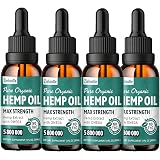

The world of natural grooming ingredients can often feel like navigating a maze, especially when similar-sounding products like CBD oil and hemp seed oil come into play. As highlighted in the video above, significant confusion and even mismarketing exist around these two popular ingredients, particularly in the realm of beard care. Understanding the distinct differences, legal nuances, and specific benefits of each is crucial for making informed choices for your grooming routine.
We’re going to dive deeper into the core distinctions between these two powerful extracts from the hemp plant, expanding on their origins, production methods, and the unique advantages they offer for your beard and the skin beneath it.
Hemp vs. Marijuana: Establishing the Foundation for CBD Oil and Hemp Seed Oil
To truly grasp the difference between CBD oil and hemp seed oil, we must first understand the legal and botanical distinctions between hemp and marijuana. Both are varieties of the Cannabis Sativa plant species, but their chemical compositions and legal statuses vary significantly.
Decoding the THC Content
- **Hemp:** This classification is strictly defined by law. In the United States, following the 2018 Farm Bill, hemp is any cannabis plant containing less than 0.3% Delta-9 THC (tetrahydrocannabinol) by dry weight. THC is the psychoactive compound.
- **Marijuana:** Conversely, marijuana refers to cannabis plants with 0.3% THC or more. These plants are cultivated to maximize THC content, sometimes reaching upwards of 30%.
This legal distinction is paramount because federally legal CBD oil and hemp seed oil in the US must originate from hemp plants. Imagine if a product claimed to be “legal CBD” but was actually derived from a marijuana plant; that would be a significant legal and practical misrepresentation.
Cultivation Differences
The way these plants are grown also differs. Hemp is typically grown outdoors, often in large fields, and can grow quite tall. The focus is on biomass, fiber, or seeds. Marijuana cultivation, especially for commercial use, often occurs indoors in highly controlled environments to optimize cannabinoid and terpene profiles. This difference in cultivation contributes to the distinct products derived from each plant.
Understanding the Source and Extraction of Hemp Seed Oil
Hemp seed oil, as its name suggests, is derived exclusively from the seeds of the hemp plant. This oil is obtained through a straightforward mechanical process.
The Cold-Press Method
The primary method for extracting hemp seed oil is cold-pressing. This technique involves mechanically pressing the hemp seeds at low temperatures, squeezing out the oil. This gentle process helps preserve the oil’s delicate nutritional compounds, preventing degradation from heat. It’s a similar process used for olive oil or flaxseed oil.
What’s Inside Hemp Seed Oil?
Hemp seed oil is highly regarded for its nutritional profile, particularly its rich content of essential fatty acids. It contains an ideal ratio of Omega-6 to Omega-3 fatty acids (typically 3:1), which are vital for overall health and play a significant role in skin and hair vitality. Furthermore, it contains gamma-linolenic acid (GLA), a potent anti-inflammatory omega-6 fatty acid. You will find vitamins like E, B1, B2, and B6, and minerals like potassium, magnesium, and calcium within it. Critically, hemp seed oil contains very little to no THC or CBD.
Understanding the Source and Extraction of CBD Oil
CBD oil, or cannabidiol oil, is a more complex extract compared to hemp seed oil. It is primarily derived from the flowers, leaves, and stalks of the hemp plant, where cannabinoids are most concentrated.
The Carbon Dioxide (CO2) Extraction Method
Extracting CBD is a more involved process. One of the most common and effective methods is CO2 extraction. This technique uses pressurized carbon dioxide to pull CBD and other beneficial compounds (like other cannabinoids, terpenes, and flavonoids) from the plant material. The process allows for precise control over temperature and pressure, yielding a clean and pure extract.
Imagine if you wanted to separate the beneficial compounds from a complex plant without leaving behind any harsh chemical residues. CO2 extraction does precisely that, ensuring a high-quality product ready for use in formulations like beard oil.
CBD is CBD, Regardless of Source (But Legality Matters)
It’s important to note that the CBD molecule itself is identical whether it comes from a hemp plant or a marijuana plant. However, due to federal regulations in the United States, CBD products must be derived from hemp to be federally legal.
Full-Spectrum, Broad-Spectrum, and Isolate
When you encounter CBD oil, you’ll often see terms like “full-spectrum,” “broad-spectrum,” or “isolate”:
- **Full-Spectrum CBD:** Contains all the naturally occurring compounds of the hemp plant, including other cannabinoids (like trace amounts of THC, within legal limits), terpenes, and flavonoids. These compounds are believed to work synergistically, creating an “entourage effect,” enhancing CBD’s therapeutic potential.
- **Broad-Spectrum CBD:** Similar to full-spectrum but has had all detectable traces of THC removed. It still offers the benefits of other cannabinoids and terpenes.
- **CBD Isolate:** Pure CBD, with all other plant compounds removed. It contains 99% pure cannabidiol and is ideal for those who want to avoid THC entirely.
Comparing the Benefits of CBD Oil and Hemp Seed Oil for Your Beard
Both CBD oil and hemp seed oil offer compelling benefits for beard health, primarily centered around their anti-inflammatory and nourishing properties. However, their potency and efficacy differ significantly.
The Power of Anti-Inflammation
As mentioned in the video, both oils are excellent anti-inflammatory ingredients. Imagine if the skin beneath your beard is constantly irritated, perhaps from harsh grooming products, environmental stressors, or even just daily life. This irritation can lead to inflammation, restricting blood flow to hair follicles and hindering healthy beard growth. Both hemp seed oil and CBD oil help to soothe this inflammation, promoting a healthier environment for your beard to thrive.
Hemp seed oil, with its GLA and omega fatty acids, provides a good anti-inflammatory effect. It helps calm irritated skin, reduce redness, and provide a healthy foundation. CBD oil, on the other hand, is a much more potent anti-inflammatory agent. Its interaction with the body’s endocannabinoid system allows it to regulate inflammatory responses at a higher level. Think of hemp seed oil as a strong local balm, while CBD oil acts like a comprehensive internal regulator for inflammation.
Nourishment and Conditioning
Beyond inflammation, both oils offer direct benefits for the hair and skin:
- **Hemp Seed Oil:** This oil is an exceptional emollient, meaning it helps to moisturize and soften both the beard hair and the skin. Its rich fatty acid profile nourishes the hair follicles, strengthens the hair shaft, and prevents dryness and breakage. It can improve skin elasticity and act as a protective barrier.
- **CBD Oil:** While also moisturizing, CBD oil’s primary benefit for beard hair goes deeper. It can help regulate sebum production, preventing overly oily or dry skin, which is crucial for preventing beard dandruff and itchiness. Its antioxidant properties further protect the skin from environmental damage, contributing to overall skin health beneath the beard.
Essentially, while hemp seed oil is a fantastic carrier oil, providing a wealth of nutritional support and basic anti-inflammatory action, CBD oil takes these benefits to a significantly higher level due to the direct biological activity of cannabidiol.
The Price Tag and Why it Matters
One of the most immediate differences you’ll notice between these two oils is the price. CBD oil is considerably more expensive than hemp seed oil, and there are good reasons for this disparity.
- **Extraction Complexity:** As discussed, hemp seed oil uses simple cold-pressing. CBD oil requires more sophisticated and costly methods like CO2 extraction, which involves specialized equipment and expertise.
- **Yield:** Seeds are abundant, making hemp seed oil relatively easy and inexpensive to produce in large quantities. The parts of the plant rich in CBD (flowers, leaves) yield less extract, driving up the cost per gram of CBD.
- **Testing and Regulation:** CBD products, to ensure purity and potency, often undergo rigorous third-party lab testing, which adds to the overall production cost.
This price difference is also where mismarketing often occurs. Some unscrupulous companies might label hemp seed oil products with terms like “Hemp Extract” or “Cannabis Sativa Seed Oil” to confuse consumers into thinking they are buying CBD oil, charging a premium for a much cheaper product. Always check the ingredients list carefully.
Navigating the Market: The Importance of a Certificate of Analysis (COA)
When purchasing CBD oil, demanding a Certificate of Analysis (COA) from a third-party laboratory is paramount. A COA verifies the product’s contents and confirms it meets safety and quality standards.
What to Look For in a COA
- **Cannabinoid Profile:** This section details the concentrations of CBD, THC, and other cannabinoids. For federally legal products, THC content should be below 0.3%.
- **Purity and Safety:** A good COA will also test for contaminants like heavy metals, pesticides, residual solvents (from extraction), and microbial impurities.
- **Batch Number:** Each COA should correspond to a specific batch of product, ensuring traceability.
If a company can’t provide a COA, or if the COA seems incomplete or suspicious, it’s a red flag. Imagine if you’re investing in a product for your beard health and you can’t verify its contents or safety; that’s a risk you don’t want to take. Legitimate beard companies using CBD oil will readily provide this documentation because it’s often required for banking, funding, and legal compliance.
Choosing Between CBD Oil and Hemp Seed Oil for Your Beard
The choice between CBD oil and hemp seed oil for your beard ultimately depends on your goals and budget. Both offer excellent benefits, but at different levels of potency and cost.
- **For General Nourishment and Mild Anti-inflammatory Benefits:** Hemp seed oil is an excellent, cost-effective choice. It’s a fantastic carrier oil, providing essential fatty acids, vitamins, and basic moisturizing properties. It helps maintain a healthy, soft beard and soothes minor skin irritation.
- **For Targeted Anti-inflammatory Action and Enhanced Skin/Hair Health:** CBD oil is the superior option. If you’re dealing with significant beard itch, skin irritation, or inflammation, or if you simply want to provide your beard with the most advanced care, CBD oil’s potent anti-inflammatory and regulatory effects make it invaluable. It’s an investment, but one that can yield more profound results.
Remember that whether you choose CBD oil or hemp seed oil, consistent application is key to experiencing the full benefits for your beard. Pay attention to how your skin and beard respond, and adjust your routine as needed.
Demystifying CBD and Hemp Seed Oil: Your Questions Answered
What is the main difference between CBD oil and hemp seed oil?
CBD oil is extracted from the flowers, leaves, and stalks of the hemp plant and contains active compounds like CBD. Hemp seed oil is pressed from only the seeds and is rich in nutrients but contains very little to no CBD.
Are hemp and marijuana the same plant?
No, they are different varieties of the Cannabis Sativa plant. Hemp is legally defined by having less than 0.3% THC (the psychoactive compound), while marijuana contains 0.3% THC or more.
What are the benefits of using hemp seed oil for grooming?
Hemp seed oil is an excellent moisturizer and conditioner, providing essential fatty acids and vitamins that nourish hair and skin. It offers good anti-inflammatory benefits for minor irritation.
What are the benefits of using CBD oil for grooming?
CBD oil is a more potent anti-inflammatory agent that helps regulate skin oil production, reduce significant irritation, and protect the skin. It provides advanced care for beard health and the skin beneath it.
Why is CBD oil more expensive than hemp seed oil?
CBD oil is more expensive due to its complex extraction methods, lower yield from the plant, and additional costs for rigorous testing and regulation to ensure purity and potency.