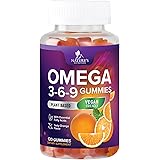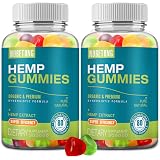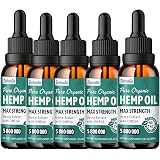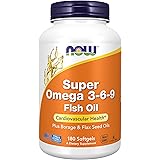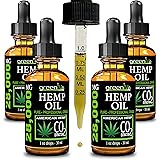

The journey to healthy, radiant skin is often dynamic, requiring careful attention and routine adjustments as our skin evolves. While many skincare enthusiasts have championed the benefits of hemp oil cleansing for its remarkable properties, there comes a time when even the most beloved products might no longer fit our evolving needs. As discussed in the insightful video above, even a cult-favorite like hemp oil cleansing might eventually be phased out of a personal routine.
This shift isn’t a dismissal of hemp oil’s efficacy; rather, it’s a testament to the importance of adapting your skincare strategy to align with your current skin condition and new product introductions. Understanding why a product might be discontinued from a routine offers valuable lessons in product layering, ingredient compatibility, and recognizing when your skin’s requirements have truly changed. Ultimately, optimizing your routine for present needs ensures your complexion continues to thrive without unnecessary congestion or irritation.
Adapting Your Skincare: When Your Skin Changes Direction
Our skin is a living organ, constantly influenced by factors such as age, environment, hormones, and lifestyle choices. Consequently, a skincare routine that once delivered exceptional results might gradually become less effective or even counterproductive over time. Recognizing these subtle yet significant shifts in your skin’s behavior is paramount for maintaining its optimal health and appearance.
For instance, skin that was once prone to severe acne might transition into a clearer, more balanced state, necessitating a gentler approach to cleansing and treatment. Studies indicate that skin barrier function and sebum production naturally change with age, often requiring a switch from heavier, acne-focused treatments to more hydrating and protective formulations. Ignoring these evolving needs can lead to new challenges, such as dryness, sensitivity, or unexpected breakouts, even with previously effective products.
Recognizing Shifting Skin Needs
Paying close attention to how your skin feels and reacts daily provides crucial clues about its current state. Perhaps your skin now feels less oily in the T-zone or you notice fewer inflammatory breakouts compared to months or years prior. These indicators signal a potential change in your skin type or concerns, moving from, for example, acne-prone to combination or normal skin.
Furthermore, an absence of persistent acne or reduced sensitivity might indicate that your skin barrier has significantly strengthened, enabling it to better withstand environmental stressors. A robust skin barrier is a hallmark of healthy skin, often allowing for a simplified routine or the introduction of new, beneficial ingredients without adverse reactions. Regularly assessing these shifts allows for proactive adjustments to your cleansing, moisturizing, and treatment steps, ensuring your routine remains precisely tailored.
The Power of Product Layering: Why Less Can Be More
The strategic layering of skincare products is an art, but it can also be a delicate balance. Introducing new products into an established routine requires an understanding of how ingredients interact and whether their combined effects might overwhelm the skin. While individually beneficial, certain oil-based products, when used in conjunction, can potentially lead to congestion or breakouts for some skin types.
When an oil-rich moisturizer, for example, is paired with an oil cleanser, the cumulative effect might surpass what the skin comfortably tolerates. This overabundance of oils, even non-comedogenic ones, can sometimes signal a need for re-evaluation in the overall routine. Identifying and addressing such layering issues is crucial for preventing unforeseen skin reactions and maintaining a clear complexion.
Understanding Oil Overload on the Skin
The concept of “oil overload” refers to a situation where too many emollient or occlusive ingredients are applied to the skin, potentially leading to clogged pores or a greasy sensation. For individuals with skin that has become less oily or prone to acne, an excess of oils can disrupt the delicate balance of the skin’s lipid barrier. This disruption might manifest as small bumps, blackheads, or a general lack of clarity, even if the individual ingredients are typically well-tolerated.
Dermatologists often recommend observing how your skin responds to each product individually before combining them, especially when introducing new formulations. Reducing the number of oil-based steps, particularly in cleansing and moisturizing, can sometimes resolve these issues, demonstrating the significant impact of ingredient synergy. Prioritizing products with balanced formulations can lead to a healthier and more comfortable skin feel, preventing the counterintuitive outcomes of too much of a good thing.
Hemp Oil’s Enduring Benefits for Acne-Prone and Inflamed Skin
Despite changes in a personal routine, the inherent benefits of hemp oil (specifically cannabis sativa seed oil) for certain skin conditions remain widely recognized and scientifically supported. Hemp oil stands out as a powerful, single-ingredient cleanser and treatment, making it an excellent choice for those with sensitive or reactive skin. Its simplicity ensures that if a reaction occurs, the culprit is easily identifiable, unlike multi-ingredient formulations.
Moreover, hemp oil possesses a wealth of beneficial properties that have been highlighted in numerous dermatological discussions and studies. It delivers substantial anti-inflammatory effects, effectively calming redness and irritation associated with various skin concerns. These qualities make it particularly valuable for individuals currently navigating the challenges of acne, eczema, or rosacea, offering gentle yet potent relief without harsh chemicals.
Key Benefits of Cannabis Sativa Seed Oil
Beyond its cleansing capabilities, hemp oil offers a range of advantages for comprehensive skin health. It is notably rich in essential fatty acids, including Omega-3 and Omega-6, which are vital for maintaining a healthy skin barrier and promoting hydration. These fatty acids help to reinforce the skin’s natural protective layer, reducing moisture loss and enhancing its resilience against environmental aggressors.
Furthermore, hemp oil is recognized for its soothing and balancing properties, contributing to a more even skin tone and texture. Its ability to regulate sebum production without stripping the skin makes it suitable for both oily and dry skin types, addressing diverse needs effectively. The calming effect on the skin is often attributed to its unique composition, providing a non-irritating solution for troubled complexions and solidifying its place as a beneficial ingredient for many.
The Science Behind Non-Comedogenic Properties
One of the most frequently lauded attributes of hemp oil is its non-comedogenic nature, meaning it is unlikely to clog pores or contribute to the formation of blackheads and whiteheads. This characteristic is especially important for individuals with acne-prone skin, who must be diligent about selecting products that will not exacerbate their condition. The comedogenic rating of oils is a scale used in dermatology, with lower ratings indicating a lesser likelihood of pore blockage.
Hemp oil typically scores very low on this scale, making it a safe and effective choice for oil cleansing without the worry of congestion. Its molecular structure allows it to penetrate the skin without sitting heavily on the surface, facilitating effective cleansing while supporting overall skin health. For those struggling with active breakouts, selecting non-comedogenic oils like hemp oil can be a game-changer, fostering a clearer and healthier complexion over time.
Mastering Double Cleansing: An Essential Step for Clear Skin
The practice of double cleansing has become a cornerstone of effective skincare routines, particularly for those who wear makeup, sunscreen, or live in polluted environments. This two-step method ensures thorough removal of impurities, preventing buildup that can lead to dullness, congestion, and breakouts. While the first step typically involves an oil-based cleanser, the second step is crucial for whisking away any lingering residue and preparing the skin for subsequent treatments.
Even with highly effective oil cleansers, a fine film or microscopic particles can sometimes remain on the skin’s surface after rinsing. This residual layer, though often imperceptible, can contribute to a dull complexion or, over time, even hinder the absorption of serums and moisturizers. Incorporating a water-based cleanser or micellar water as a second step ensures a truly clean canvas, maximizing the benefits of your entire skincare regimen.
The Role of Micellar Water in Post-Oil Cleansing
Micellar water has emerged as an excellent choice for the second step in a double cleansing routine, especially after using an oil cleanser. Composed of tiny oil molecules (micelles) suspended in soft water, micellar water effectively captures and lifts away any remaining oil, makeup traces, and impurities without the need for harsh rubbing or rinsing. Its gentle formulation makes it suitable for all skin types, including sensitive skin.
Utilizing micellar water after an oil cleanser ensures that the skin is impeccably clean, allowing it to breathe and preventing any potential pore blockage from residual oils. Dermatologists frequently recommend micellar water for its ability to purify the skin without stripping its natural moisture barrier, leaving the complexion feeling refreshed and balanced. This simple addition can significantly enhance the efficacy of your overall cleansing process, leading to noticeably clearer and healthier skin.
Reassessing Your Routine: Finding the Right Cleansing Oil
The quest for the perfect cleansing oil is highly personal, as skin needs vary widely among individuals and even within the same person over time. While hemp oil cleansing offers incredible benefits for many, particularly those with acne or inflammation, other formulations might become more suitable as skin conditions evolve. Exploring various cleansing oils allows for continuous optimization of your routine, ensuring it consistently meets your skin’s current demands.
The market offers a diverse array of cleansing oils, each with unique ingredient profiles and textures. From luxurious rosehip oil blends, celebrated for their regenerative properties, to lighter options infused with botanical extracts, there are many avenues to explore. This exploration can lead to discovering new favorites that align perfectly with your updated skin goals, proving that skincare is an ongoing journey of discovery and adaptation.
Exploring Alternative Cleansing Oils
When considering alternatives to hemp oil cleansing, it is beneficial to look at other natural oils that offer similar benefits or address specific concerns. Rosehip oil, for instance, is rich in Vitamin A and essential fatty acids, making it an excellent choice for anti-aging and promoting skin regeneration. Jojoba oil, closely resembling the skin’s natural sebum, is another popular non-comedogenic option that balances oily skin without irritation.
Furthermore, blends incorporating oils like camellia, sunflower, or grapeseed can provide a lightweight, nourishing cleanse. Many reputable brands offer thoughtfully formulated cleansing oils with added antioxidants and emollients, transforming the cleansing experience into a luxurious treatment. Evaluating ingredients and understanding their specific benefits can guide you toward the ideal cleansing oil that complements your entire skincare routine effectively.
Building a Responsive Skincare Strategy
A truly effective skincare strategy is not static; it is responsive, adapting to the subtle cues and overt changes your skin communicates. This means regularly evaluating your products, observing their effects, and being prepared to pivot when necessary. Just as a personal journey evolves, so too should the care we provide to our skin, ensuring it receives precisely what it needs at every stage.
Embracing a flexible approach allows you to continuously refine your routine, integrating new knowledge and product innovations while honoring your skin’s unique biological rhythms. Whether it’s the shift from intensive acne treatment to maintenance, or the integration of anti-aging solutions, a responsive strategy ensures sustained skin health and vitality. This dynamic perspective is key to achieving and maintaining a consistently glowing complexion, recognizing that the best hemp oil cleansing routine might not always be the only path to success.
Beyond the Hemp Oil Cleanse: Your Questions Answered
Why might I need to change my skincare routine even if a product worked before?
Your skin’s needs can change due to factors like age, environment, or lifestyle. A product that was once effective might become less suitable as your skin evolves.
What are some good things about using hemp oil for skin?
Hemp oil offers anti-inflammatory effects to calm redness and irritation, and it’s non-comedogenic, meaning it won’t clog pores. It also contains essential fatty acids vital for a healthy skin barrier.
What is ‘double cleansing’ and why is it recommended?
Double cleansing is a two-step process, typically using an oil-based cleanser first, followed by a water-based one. This ensures thorough removal of makeup, sunscreen, and impurities, preventing congestion and breakouts.
Can using too many oil-based products be bad for my skin?
Yes, using too many oil-rich products can lead to ‘oil overload,’ potentially causing clogged pores or a greasy sensation. It’s important to balance your routine to prevent this.