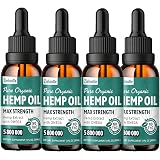

Are you considering natural supplements to optimize your canine companion’s health and vitality? The accompanying video provides a visual exploration of Hemp Seed Oil for Dogs, a topic increasingly gaining traction among pet owners and veterinary professionals alike.
Understanding the intricate biochemistry and practical applications of this botanical extract is paramount for informed decision-making. This article delves into the expert-level insights surrounding hemp seed oil, moving beyond anecdotal evidence to present a data-driven perspective on its therapeutic potential and nutritional benefits for canines.
1. Decoding Hemp Seed Oil: Nutritional Profile and Distinction
Hemp seed oil, derived from the seeds of the Cannabis sativa plant, represents a potent nutritional powerhouse. Crucially, it contains negligible levels of tetrahydrocannabinol (THC) and cannabidiol (CBD), ensuring it is non-psychoactive and distinct from CBD oil.
Its primary value stems from an exceptional lipid profile, particularly its rich concentration of polyunsaturated fatty acids (PUFAs). The oil boasts an optimal ratio of Omega-6 to Omega-3 fatty acids, often cited as between 3:1 and 4:1, which is considered highly beneficial for mammalian physiology.
The Essential Fatty Acid Complex in Hemp Seed Oil
This botanical extract is uniquely abundant in Alpha-Linolenic Acid (ALA), a vital Omega-3 fatty acid, and Linoleic Acid (LA), a predominant Omega-6. Beyond these, it contains Gamma-Linolenic Acid (GLA), a less common Omega-6 that plays a critical role in mediating inflammatory responses.
These essential fatty acids (EFAs) cannot be synthesized by the canine body and must be acquired through diet. Research indicates that a balanced intake of these EFAs is fundamental for maintaining cellular integrity, nervous system function, and hormonal regulation.
2. The Scientific Rationale Behind Hemp Seed Oil’s Canine Benefits
The therapeutic efficacy of Hemp Seed Oil for Dogs is largely attributed to its EFA composition, particularly the synergistic actions of Omega-3, Omega-6, and GLA. These compounds act as precursors to eicosanoids, signaling molecules that modulate inflammation, immunity, and pain perception.
For instance, ALA is metabolized into longer-chain Omega-3 fatty acids like EPA and DHA, known for their potent anti-inflammatory effects. Conversely, LA contributes to skin barrier function and overall epidermal health, while GLA specifically targets inflammatory pathways, often showing promise in dermatological conditions.
Modulating Inflammation and Immune Response
Scientific studies frequently highlight the role of optimal Omega-3 and Omega-6 ratios in reducing systemic inflammation. Dogs suffering from chronic inflammatory conditions, such as osteoarthritis or atopic dermatitis, may experience significant symptomatic relief due to the oil’s capacity to downregulate pro-inflammatory cytokines.
Furthermore, the balanced fatty acid profile supports robust immune function without overstimulating the immune system. This contributes to a dog’s overall resilience against various pathogens and environmental stressors.
3. Key Health Applications of Hemp Seed Oil in Canine Care
The broad spectrum of EFAs in Hemp Seed Oil for Dogs translates into several notable health applications, addressing common canine ailments and supporting general well-being. Veterinary dermatologists and nutritionists increasingly recognize its value.
Joint Health and Mobility Enhancement
One of the most frequently cited benefits is its impact on joint health. The anti-inflammatory properties of Omega-3s, particularly through the metabolism of ALA, can significantly reduce pain and stiffness associated with degenerative joint diseases like arthritis. Owners often report improved gait and activity levels in their canine companions after consistent supplementation, with some clinical observations indicating a reduction in lameness scores.
Dermatological Support: Skin and Coat Vitality
Hemp seed oil excels in promoting healthy skin and a lustrous coat. The EFAs, especially LA and GLA, contribute to the lipid barrier function of the epidermis, preventing moisture loss and protecting against environmental irritants. Dogs suffering from dry, itchy skin, excessive shedding, or dull coats often show marked improvement, with skin becoming less inflamed and the coat gaining a noticeable sheen within weeks.
Optimizing Digestive Function and Gut Health
The presence of easily digestible fats and the potential for anti-inflammatory action in the gastrointestinal tract contribute to improved digestive health. While not a direct probiotic, a healthy lipid environment can indirectly support a balanced gut microbiome. Some reports indicate a reduction in mild digestive upsets and enhanced nutrient absorption with regular supplementation.
Cardiovascular and Cognitive Health
Beyond the immediate benefits, the Omega-3 fatty acids are instrumental in supporting cardiovascular health by promoting healthy blood vessel function and maintaining optimal lipid levels. Additionally, these essential fats are critical for brain development and cognitive function, potentially benefiting older dogs by supporting neurological integrity and younger puppies in their developmental stages.
4. Dosage and Administration Guidelines for Canine Hemp Seed Oil
Administering Hemp Seed Oil for Dogs effectively requires careful consideration of dosage, which is typically based on the dog’s weight and individual health needs. It is always prudent to consult with a veterinary professional to establish precise guidelines, especially for dogs with pre-existing health conditions or those on other medications.
A common starting point involves a gradual introduction to allow the dog’s digestive system to adapt. For instance, a general recommendation might be 1/4 teaspoon for small dogs (under 20 lbs), 1/2 teaspoon for medium dogs (20-50 lbs), and 1 teaspoon for large dogs (over 50 lbs) daily, though this can vary by product concentration.
Practical Integration into Daily Routine
The oil can be easily mixed into wet or dry food, or even administered directly. Monitoring for any changes in appetite, stool consistency, or energy levels is crucial during the initial supplementation phase. Most dogs readily accept the mild, nutty flavor of high-quality hemp seed oil.
5. Selecting a Quality Hemp Seed Oil Product for Dogs
The market for canine supplements is vast, making the selection of a high-quality Hemp Seed Oil for Dogs critical. Not all products are created equal, and discerning consumers should prioritize specific attributes to ensure efficacy and safety.
Key Criteria for Product Evaluation
Opt for cold-pressed, organic, and unrefined hemp seed oil. The cold-pressing method preserves the delicate fatty acids and nutrient integrity, while organic certification ensures the absence of pesticides and herbicides. Third-party testing for purity and potency is another non-negotiable factor, verifying that the product contains what it claims and is free from contaminants like heavy metals or mycotoxins.
Proper storage is also vital; hemp seed oil is susceptible to oxidation, so it should be kept in a dark, cool place, preferably refrigerated after opening, to maintain its stability and nutritional value. The pursuit of optimal canine health necessitates a commitment to evidence-based practices and high-quality supplementation.
Unleashing Clarity: Your Hemp Seed Oil for Dogs Q&A
What is Hemp Seed Oil for dogs?
Hemp seed oil is extracted from the seeds of the Cannabis sativa plant and is rich in essential fatty acids like Omega-3 and Omega-6. It contains very little THC or CBD, so it is not psychoactive.
How is Hemp Seed Oil different from CBD oil?
Hemp seed oil contains negligible amounts of THC and CBD, making it non-psychoactive. CBD oil, on the other hand, contains significant levels of CBD.
What are the main benefits of giving Hemp Seed Oil to my dog?
It can support your dog’s joint health and mobility, improve skin and coat vitality, aid in digestive function, and contribute to cardiovascular and cognitive health.
How should I give Hemp Seed Oil to my dog?
The dosage typically depends on your dog’s weight, and it’s best to start gradually by mixing it into their food. Always consult your veterinarian for precise guidelines.
What should I look for when buying Hemp Seed Oil for my dog?
Opt for cold-pressed, organic, and unrefined hemp seed oil that has undergone third-party testing for purity. Store it in a dark, cool place, preferably refrigerated after opening.