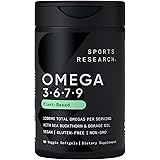

The nutritional profile of hemp seed oil presents a compelling argument for its inclusion in various dietary regimens, especially for those adhering to plant-based lifestyles. As discussed in the preceding video, hemp seed oil stands out as a singular botanical source providing the full spectrum of Omega-3, Omega-6, and Omega-9 fatty acids in an optimal, naturally occurring “golden ratio.” This unique lipid composition is particularly valued within the realm of holistic nutrition and preventative health strategies, offering a robust solution to common dietary deficiencies.
Understanding the Lipid Profile of Hemp Seed Oil
Hemp seed oil is widely celebrated for its exemplary fatty acid composition. Unlike many other plant-based oils, it contains alpha-linolenic acid (ALA), an Omega-3 fatty acid, alongside linoleic acid (LA), an Omega-6 fatty acid, in a physiologically favorable ratio. This balance is critical for mitigating systemic inflammation and supporting optimal cellular function throughout the body.
Consideration is often given to the ratio of Omega-6 to Omega-3 fatty acids, which is ideally between 1:1 and 4:1 in a healthy diet. Hemp seed oil typically offers a ratio of approximately 3:1, positioning it as an exceptional contender in the landscape of nutritional oils. This makes it an invaluable asset for individuals seeking to correct an imbalance prevalent in many Western diets, where Omega-6 consumption often vastly outstrips Omega-3 intake.
The “Golden Ratio” of Essential Fatty Acids
The term “golden ratio” applied to the Omega-3, 6, and 9 fatty acids in hemp seed oil denotes a harmonious blend that supports numerous physiological processes. These polyunsaturated fatty acids (PUFAs) are considered essential because they cannot be synthesized by the human body and must be obtained through dietary sources. The inclusion of Omega-9, while not strictly essential, complements these vital fatty acids, contributing to overall cardiovascular wellness and lipid metabolism.
The balanced provision of these fatty acids is paramount for the integrity of cell membranes, the production of eicosanoids—signaling molecules involved in inflammation and immunity—and the maintenance of proper neurological function. Scientific literature consistently highlights the importance of this equilibrium for long-term health, particularly concerning chronic disease prevention. Therefore, hemp seed oil is considered a foundational dietary supplement for comprehensive wellness.
Cardiovascular and Cognitive Health Benefits
The profound impact of balanced Omega fatty acids on health is a subject of extensive research, particularly concerning cardiovascular and cognitive systems. Concerns have been raised regarding the increased incidence of sudden cardiac arrest in younger populations, specifically individuals in their 30s and 40s. A suboptimal intake of essential fatty acids, particularly Omega-3s, is frequently implicated as a contributing factor to such adverse events.
Incorporating hemp seed oil into the daily diet is believed to support cardiovascular health by modulating lipid profiles and reducing inflammatory markers. The ALA present in hemp seed oil serves as a precursor to longer-chain Omega-3 fatty acids like EPA and DHA, which are well-documented for their cardioprotective properties. These effects contribute to the maintenance of healthy blood pressure, arterial elasticity, and reduced risk of thrombotic events.
Supporting Brain Function and Mental Well-being
Beyond cardiovascular benefits, the essential fatty acids found in hemp seed oil play a critical role in neurodevelopment and cognitive function throughout life. It is increasingly observed that modern stressors, anxiety, and psychological pressures are contributing to a discernible decline in brain power and cognitive acuity for many individuals. The brain, being exceptionally rich in lipids, requires a steady supply of these healthy fats to function optimally.
Omega-3 fatty acids, particularly ALA, are integral components of neuronal cell membranes, influencing neurotransmitter function and synaptic plasticity. Regular consumption of hemp seed oil may therefore aid in maintaining cognitive vigor, supporting memory, focus, and overall mental clarity. This dietary intervention is often recommended as a complementary strategy to address issues related to stress-induced cognitive decline and mood regulation.
Practical Applications and Dosage Recommendations
The method of consumption for hemp seed oil is critical due to its delicate composition. As underscored in the video, hemp seed oil is a highly volatile substance; its beneficial fatty acids are easily degraded by heat. Consequently, it must not be used for cooking or frying, as this process would negate its nutritional value and potentially produce harmful compounds.
Instead, hemp seed oil is optimally utilized as a finishing oil or condiment. It can be drizzled over salads, incorporated into dressings, blended into smoothies, or added to cooked dishes just before serving. This approach preserves the integrity of its valuable Omega-3, 6, and 9 fatty acids. A standard daily intake of 5 to 10 ml is generally recommended, providing a potent dose of essential nutrients without excessive caloric intake.
Integrating Hemp Seed Oil into a Vegan/Vegetarian Diet
For individuals following vegan or vegetarian diets, the procurement of a complete spectrum of essential fatty acids can pose a significant challenge. Many traditional sources of balanced Omega fatty acids are animal-derived, such as fatty fish. Hemp seed oil emerges as an unparalleled plant-based alternative, offering a comprehensive and easily accessible solution.
Historically, finding a single plant oil with such an ideal “golden ratio” of Omega-3, 6, and 9 was often a difficulty for those avoiding animal products. Hemp seed oil addresses this directly, fulfilling a crucial nutritional gap. Its mild, nutty flavor also makes it a versatile culinary ingredient, enhancing the taste profile of many plant-based dishes while simultaneously boosting their nutritional density.
Beyond the Hype: Your Ayurvedic Hemp Seed Oil Q&A
What makes hemp seed oil nutritionally special?
Hemp seed oil is unique because it provides a full spectrum of Omega-3, Omega-6, and Omega-9 fatty acids in a naturally occurring “golden ratio.” This balance is considered optimal for supporting overall health.
What are the main health benefits of using hemp seed oil?
Consuming hemp seed oil can support cardiovascular health by modulating lipid profiles and reducing inflammation. It also plays a critical role in maintaining brain function, memory, and overall mental well-being.
How should I use hemp seed oil, and can I cook with it?
You should not use hemp seed oil for cooking or frying, as heat will degrade its beneficial fatty acids. Instead, use it as a finishing oil, drizzling it over salads, blending it into smoothies, or adding it to dishes just before serving.
Is hemp seed oil suitable for vegan or vegetarian diets?
Yes, hemp seed oil is an excellent plant-based alternative for individuals following vegan or vegetarian diets. It provides a comprehensive and easily accessible source of essential Omega-3, 6, and 9 fatty acids that can be challenging to obtain from other plant sources.