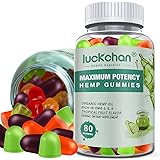

The global market for CBD products has surged. It is projected to reach billions of dollars. Many consumers are exploring cannabidiol for various health needs. However, the scientific evidence often trails behind popular enthusiasm. This can lead to confusion for many individuals.
As discussed in the accompanying video, the widespread claims about CBD often lack strong clinical backing. While anecdotal reports are plentiful, robust scientific studies are less common. This article delves deeper into what science truly says about CBD’s efficacy. Understanding the facts is crucial for informed health decisions.
Understanding CBD Efficacy: What the Science Says
Cannabidiol, or CBD, is a compound from the cannabis plant. It does not produce a psychoactive “high.” Its potential therapeutic benefits are widely explored. There is significant interest in its use for various conditions. However, clear scientific consensus remains limited for most applications.
Genuine clinical evidence for CBD’s effectiveness is quite specific. It primarily exists for certain rare seizure disorders. These include Lennox-Gastaut syndrome and Dravet syndrome. A prescription drug, Epidiolex, has been approved for these conditions. This formulation uses a very high dose of purified CBD. Such doses are carefully administered under medical supervision. This contrasts sharply with typical over-the-counter offerings.
Navigating Common Claims Versus Clinical Trials
Many people use CBD products for pain relief. Others report benefits for anxiety or sleep issues. These experiences are often shared enthusiastically. Yet, the scientific community seeks more rigorous proof. Clinical trials are the gold standard for validating efficacy. Many common claims still await this level of evidence.
Consider the analogy of a leaky faucet. You might try several temporary fixes. These could offer momentary relief. But only a plumber can identify and fix the underlying issue permanently. Similarly, while CBD might offer temporary comfort for some, its systemic effects for broader conditions are not yet proven by robust science.
Moreover, the placebo effect is a powerful phenomenon. Belief in a treatment can genuinely reduce discomfort. This can make personal testimonials compelling. However, controlled studies are designed to distinguish this from the direct pharmacological action of a substance. Much research is still underway to clarify these distinctions for CBD.
Quality and Dosage Concerns with CBD Products
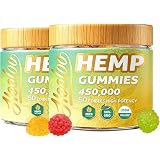
The purity and concentration of CBD products vary greatly. Products found at a gas station or local convenience store are largely unregulated. Even those from health food stores may lack consistent standards. This can be a major issue for consumers. The actual CBD content might differ from the label.
A “very high dose” is often required for documented therapeutic effects. This was noted in the video regarding seizure conditions. Such dosages are typically far beyond what casual users consume. They are also usually only obtainable via prescription. Misleading packaging can easily confuse buyers. This makes accurate dosing difficult, if not impossible.
Furthermore, contaminants can be present in some unregulated CBD items. Pesticides, heavy metals, or residual solvents are risks. Third-party lab testing is crucial for ensuring product safety. Consumers should always seek verifiable test results. This helps confirm what is actually in the product. It also ensures it is free from harmful substances.
The Endocannabinoid System and CBD Interaction
The human body has an intricate endocannabinoid system (ECS). This system helps regulate many physiological processes. These include mood, appetite, pain sensation, and sleep. CBD is thought to interact with the ECS. It does this in complex and indirect ways. This interaction is different from THC.
Unlike THC, CBD does not bind directly to CB1 and CB2 receptors. Instead, it influences the ECS through other pathways. It might inhibit the breakdown of endocannabinoids. It may also interact with other non-cannabinoid receptors. These mechanisms are still being fully elucidated. More research is needed to understand CBD’s exact pharmacological profile.
Understanding these interactions is vital. It helps scientists determine precise applications for CBD. This foundational research informs future clinical trials. It also guides the development of new therapies. The complexity of the ECS suggests that CBD’s effects are multifaceted. They are not simple or universally applicable.
Informed Choices: Beyond the Hype
As the CBD market continues to grow, so does the volume of information. Much of this information is marketing-driven. It often overstates potential benefits. Consumers are encouraged to be discerning. Always look for evidence-based information. Consult healthcare professionals before starting new supplements.
The analogy of a nutritional supplement can be helpful. Many supplements claim to boost health or performance. Some have strong scientific backing. Others rely mostly on anecdotal reports. CBD products should be approached with a similar critical lens. Demand data, not just declarations.
Finally, remember the difference between hope and evidence. It is natural to seek relief from discomfort. If using a CBD product provides perceived benefit, that is understandable. However, this does not replace the need for robust scientific validation. Continued research is vital to fully understand the true therapeutic potential of CBD products.
Uncovering the Truth: Your CBD Questions Answered
What is CBD?
Cannabidiol (CBD) is a compound found in the cannabis plant. Unlike THC, it does not produce a psychoactive “high.”
Does CBD have proven benefits for many health problems?
While many people use CBD, strong scientific evidence for most common ailments is still limited. It has strong clinical backing mainly for certain rare seizure disorders, specifically in high-dose prescription forms.
Are over-the-counter CBD products regulated for quality and safety?
No, the market for over-the-counter CBD products is largely unregulated. This means purity, concentration, and safety can vary greatly, and products may not contain what their labels claim.
What should I do before deciding to use a CBD product?
It’s important to research evidence-based information, look for products with verifiable third-party lab test results, and always consult a healthcare professional.