
The aspiration for a dog to achieve a remarkably long and healthy life, potentially reaching 30 years, is often considered a challenging yet achievable goal for many devoted pet parents. While specific genetics and sheer luck undeniably play significant roles in determining an individual dog’s lifespan, there are numerous proactive strategies that can be implemented to support a dog’s wellness and significantly contribute to their overall dog longevity. The video above elucidates several key areas that, when diligently addressed, are understood to offer every possible year science suggests is attainable for our cherished canine companions. These practices extend beyond basic care, focusing on scientifically supported methods to enhance a dog’s health profile.
Indeed, the concept of a dog living for decades might seem extraordinary, especially when considering the average canine lifespan. As discussed in the accompanying video, the typical dog is expected to live between 10 and 13 years. However, this average is subject to considerable variation, largely dependent upon the dog’s breed and size. For instance, giant breeds, such as Great Danes or Irish Wolfhounds, frequently experience shorter lifespans, often ranging from 7 to 9 years. Conversely, popular family dogs like Labradors, Golden Retrievers, and German Shepherds generally fall within the 10 to 12-year bracket. Notably, smaller breeds, including Dachshunds, Toy Poodles, and Chihuahuas, often surpass these averages, sometimes living beyond 15 or even 18 years. Therefore, while genetics establish a foundational framework, the influence of lifestyle choices on healthy dog life is widely acknowledged.
Prioritizing a Lean Body Condition for Enhanced Canine Lifespan
One of the most impactful, yet frequently overlooked, aspects of supporting extending a dog’s life involves maintaining a lean body weight. This recommendation is underscored by significant scientific research. A landmark 14-year study conducted by the University of Pennsylvania, which observed Labrador littermates, revealed compelling insights. Dogs whose caloric intake was reduced by 25% lived an average of 1.8 years longer than their heavier counterparts. This finding demonstrates that diligent portion control alone can contribute nearly two additional years to a dog’s life.
Excess weight does not merely restrict a dog’s mobility; it demonstrably elevates the risk of various serious health conditions. Arthritis, diabetes, heart disease, and even certain types of cancer are all more prevalent in overweight dogs. A lean dog, conversely, exhibits greater mobility, enhanced playfulness, and a more robust engagement with life. Consequently, careful meal portioning, judicious treat allocation, and regular monitoring of a dog’s body condition are among the most straightforward and scientifically validated approaches to adding years to a dog’s life.
The Crucial Role of Diet Quality in Dog Longevity
While maintaining an appropriate calorie intake is fundamental, the quality of a dog’s diet is equally significant. The case of Bluey, the Australian cattle dog who lived to nearly 30 years, often sparks discussion. Reports indicate that he consumed fresh farm food rather than kibble, suggesting a potential link between diet type and exceptional longevity. Although this anecdotal evidence does not constitute a controlled scientific trial, it aligns with broader scientific principles and common-sense dietary recommendations.
Kibble, which is widely used, offers affordability, convenience, and typically provides a “complete and balanced” nutritional profile. Many dogs thrive on these diets. However, the quality of kibble formulas can vary substantially, with many being ultra-processed. When selecting kibble, it is advised that consumers seek out companies that demonstrate transparency in ingredient sourcing, utilize named protein sources (e.g., “chicken” rather than “meat meal”), and provide evidence of third-party testing for contaminants such as mycotoxins and heavy metals. Furthermore, companies employing a veterinary nutritionist on staff are often considered advantageous.
Fresh food diets, whether prepared at home or commercially sourced, generally contain more whole food ingredients and fewer fillers. An interesting observation stems from a Belgian owner-reported survey involving over 500 dogs, which indicated that home-prepared fresh diets were associated with nearly three additional years of life compared to kibble. It is important to note that this survey was based on owner reports, not a controlled trial, and thus requires cautious interpretation. Improperly balanced fresh food diets can lead to nutritional deficiencies, and they can also be more costly and time-consuming to prepare. Raw diets, the most controversial option, are praised by some owners for their palatability and nutrient retention, but scientific research in this area remains limited, and many veterinarians express concerns regarding bacterial contamination and potential nutrient imbalances.
Ultimately, rather than fixating on a single “perfect” diet, the emphasis should be placed on providing a diet that is complete and balanced. Veterinary organizations, such as the World Small Animal Veterinary Association, stress that every dog requires a diet that supplies all essential nutrients—proteins, fats, carbohydrates, vitamins, minerals, and water—in the correct proportions. An imbalance in these nutrients, even if the right ingredients are present, can negatively impact a dog’s long-term health and canine lifespan. Avoiding excessive fillers and harmful additives is also considered crucial for supporting overall wellness.
Targeted Nutritional Support: The Role of Supplements for Longevity
Beyond a complete and balanced diet, targeted supplementation can provide additional support for various bodily systems that influence dog longevity. Supplements are often viewed as a means to go beyond baseline nutritional requirements, offering specific assistance for the heart, brain, immune system, joints, and even stress resilience. Scientific research provides backing for the efficacy of several types of supplements.
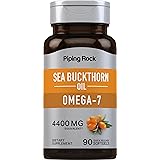
Omega-3 Fatty Acids, for example, have been shown in studies to improve outcomes for dogs with heart disease, reduce pain associated with arthritis, lessen the need for medications, and support kidney function. Antioxidants are another potent tool; a study published in the British Journal of Nutrition demonstrated that a blend of antioxidants, B vitamins, fish oil, and arginine significantly enhanced memory and learning tasks in older dogs after six months of supplementation. These findings suggest that targeted nutrients can help aging dogs maintain cognitive sharpness for longer periods.
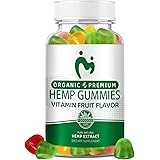
Early research on functional mushrooms, such as Turkey Tail and Lion’s Mane, indicates potential benefits for immune strength and cognitive health. Furthermore, hemp-based supplements have garnered significant attention. Emerging studies suggest that CBD, a compound found in hemp, may support joint health, mobility, and emotional balance. Many dog owners, including those featured in the video, have reported anecdotal success with these products, noting improvements in their dogs’ vitality and well-being. While individual responses to supplements may vary, their judicious inclusion in a dog’s routine can offer a powerful means of supporting their overall wellness and enhancing their potential for a longer, healthier life.
Exercise and Mental Enrichment: Essential for a Vibrant Canine Lifespan
The benefits of a well-formulated diet and appropriate supplementation are maximized when a dog’s body and brain remain active and strong. As highlighted by the example of Bluey, who worked cattle for over two decades, consistent daily activity is profoundly beneficial for a dog’s long-term health. Regular physical exercise protects cardiovascular health, strengthens muscles, maintains joint mobility, and contributes significantly to overall dog longevity.
It is important that dog parents recognize that mental exercise is just as vital as physical activity. A 2012 study, for instance, found that senior dogs provided with environmental enrichment—which includes activities like puzzle feeders, training, and interactive play—maintained superior cognitive function and exhibited a slower rate of age-related decline compared to dogs without such enrichment. Mental stimulation can be incorporated through simple activities such as scent games, where treats are hidden for the dog to find, or regular training sessions that challenge their minds. These activities not only keep a dog mentally sharp but also enhance their quality of life as they age. Consequently, a combination of physical movement and mental enrichment represents a highly powerful strategy for promoting canine wellness and extending a dog’s vibrant years.
The Indispensable Role of Preventive Veterinary Care
Even the fittest and mentally sharpest dogs can harbor undetected health issues, which underscores the critical importance of preventive care in promoting a long and healthy life. Proactive veterinary intervention is paramount. Dental disease, for example, is often mistakenly viewed as a localized oral problem. However, research indicates a strong association between poor dental health and systemic inflammation, leading to adverse changes in vital organs such as the heart, liver, and kidneys. Regular toothbrushing has been proven to mitigate these risks.
Routine veterinary check-ups are equally vital. An analysis conducted by Banfield Pet Hospital, encompassing millions of dogs, confirmed that consistent preventive care significantly reduces the risk of serious diseases, including dental disease, parvovirus, and heartworm. While some dog parents may harbor reservations about frequent vet visits, it is emphasized that a holistic approach to pet care is not anti-veterinary. Rather, it integrates diet, supplements, exercise, and mental enrichment with modern preventive medicine. This comprehensive perspective provides a dog with the best possible opportunity for a long and healthy existence. A veterinarian’s insight, as mentioned in the video, often highlights that premature canine deaths are frequently attributable to conditions that were missed or could have been prevented through timely professional care. Therefore, prevention is considered a silent hero in saving countless canine lives.
Nurturing the Human-Animal Bond: A Pathway to Mutual Longevity
Beyond diet, supplements, exercise, enrichment, and preventive care, there exists a profound factor that science struggles to fully quantify but is perhaps more powerful than all the others: the human-animal bond. Dogs require not just sustenance and physical activity, but also the deep connection and companionship provided by their human families. Scientific investigation supports this notion; one study demonstrated that positive owner-dog interactions lead to a reduction in cortisol, the primary stress hormone, indicating that a secure bond helps dogs manage stress more effectively.
Intriguingly, the benefits of this bond are reciprocal. Research published in Science revealed that when dogs and their owners engage in mutual eye contact, both experience a surge of oxytocin, often referred to as the “bonding hormone,” which is associated with decreased stress and an intensified sense of connection. The Harvard Study of Adult Development, one of the longest-running studies on human longevity, identified close relationships, rather than wealth or social status, as the strongest predictor of a meaningful human life. This insight extends to the canine-human dynamic; the love shared with our dogs imbues life with greater depth, joy, and purpose. When this bond is nurtured through daily walks, playful interactions, sustained eye contact, and quiet moments of affection, not only are more years potentially added to a dog’s life, but also to the owner’s. This mutual thriving, fostered by an unbreakable connection, may indeed represent the ultimate secret to dog longevity for both species.
Unleashing Longevity: Your 30-Year Canine Q&A
What is the average lifespan of a dog, and does it vary?
The typical dog lives between 10 and 13 years. However, this average varies greatly depending on the dog’s breed and size, with smaller breeds often living longer than larger ones.
Why is it important to keep my dog at a lean body weight?
Maintaining a lean body weight is crucial because it significantly reduces the risk of serious health issues like arthritis, diabetes, heart disease, and even some cancers. It can also add years to your dog’s life.
What kind of diet should I feed my dog to help them live longer?
The most important thing is to provide a complete and balanced diet with all essential nutrients in the correct proportions. Look for quality ingredients, whether you choose kibble or explore fresh food options.
Why are regular veterinary check-ups important for my dog’s health and longevity?
Preventive veterinary care, including routine check-ups and dental care, is vital for detecting and addressing potential health issues early. This can prevent serious diseases and ensure your dog has the best chance at a long, healthy life.