
The debilitating grip of anxiety and panic attacks can feel like an unending battle, isolating individuals from once cherished activities and even routine daily tasks. As the accompanying video vividly illustrates through the personal account of Erin, a graduate student, and the expert insights of neuroscientist Dr. Staci Gruber, such experiences are not merely discomforting; they are profoundly life-altering. Fortunately, cutting-edge research is continuously exploring innovative solutions, with Cannabidiol (CBD) emerging as a prominent area of investigation for its potential in offering significant relief.
Dr. Gruber’s pioneering clinical trial, highlighted in the video, delves into the efficacy of a full-spectrum CBD product in mitigating anxiety symptoms. For individuals grappling with the unpredictable onslaught of panic, these studies offer a beacon of hope, suggesting that a natural compound derived from the cannabis plant could potentially reshape their experience with chronic anxiety. This article expands upon the critical findings and implications discussed, providing a more comprehensive understanding of how CBD interacts with the body and the nuances of the scientific journey toward validating its therapeutic use.
Unpacking the Nature of Anxiety and Panic Attacks
To truly appreciate the potential of treatments like CBD for anxiety, it is essential to comprehend the profound impact of the conditions themselves. As Erin articulates, a panic attack is an overwhelming sensation, essentially the body’s ‘fight or flight’ system spiraling out of control. This innate biological response, designed for survival in moments of immediate danger, can be triggered without an actual threat, leading to a cascade of terrifying physiological and psychological symptoms.
Imagine, if you will, a small fire alarm suddenly blaring at full volume in a quiet library. Your body reacts instantly, heart pounding like a drum, breath catching in your throat, a flush of heat spreading across your skin. This is merely an analogy for the intense internal experience of a panic attack. The sensation can be so severe that, as Dr. Gruber notes, many individuals find themselves rushing to the emergency room, convinced they are experiencing a heart attack or another life-threatening event. Such episodes can strike “multiple times a week, sometimes multiple times a day,” leading to a pervasive fear of the next attack and severely limiting one’s quality of life. The mental anguish, coupled with the physical distress, creates a cycle of apprehension that can paralyze individuals, making even simple excursions feel like insurmountable challenges.
The Science Behind CBD: A Non-Intoxicating Approach to Anxiety Relief
The cannabis plant is a complex botanical entity, containing hundreds of compounds known as cannabinoids. Among the most well-known are Tetrahydrocannabinol (THC) and Cannabidiol (CBD). While THC is celebrated for its psychoactive effects—the “high” associated with cannabis—CBD distinguishes itself by being non-psychoactive and non-intoxicating. This crucial difference makes CBD an attractive candidate for therapeutic applications, particularly for conditions like anxiety, where mental clarity and stable cognitive function are paramount.
Scientific exploration indicates that CBD interacts with the body’s endocannabinoid system (ECS), a sophisticated network of receptors and neurotransmitters that plays a vital role in regulating a vast array of physiological processes, including mood, sleep, appetite, and pain sensation. Rather than binding directly to cannabinoid receptors in the same way THC does, CBD is believed to modulate their activity and influence other non-cannabinoid receptor systems. For instance, research suggests CBD may enhance serotonin signaling, similar to some antidepressant medications. Serotonin, often dubbed the “feel-good” neurotransmitter, is intimately involved in regulating mood and social behavior, making its modulation a promising pathway for anxiety reduction. This intricate interplay across various systems positions CBD as a multi-faceted compound with broad therapeutic potential, offering a nuanced approach to calming the nervous system without impairing cognitive function.
Understanding Clinical Trials: The Journey from Open-Label to Double-Blind
The pursuit of scientific validation for any potential medicine is a rigorous journey, meticulously structured through various phases of clinical trials. Dr. Gruber’s study, as featured in the video, specifically mentions an “open-label phase.” In this stage of a clinical trial, both the patient and the clinician are fully aware of the treatment being administered. For Erin and other participants, this meant knowing they were receiving a cannabis extract high in CBD.
While open-label studies can provide valuable initial insights into a treatment’s safety and general effectiveness—often leading to “dramatic improvements” in symptoms, as observed with Erin—they are inherently susceptible to the placebo effect. This psychological phenomenon occurs when a patient experiences a perceived improvement in their condition simply because they believe they are receiving an active treatment, even if it’s inert. To unequivocally ascertain the true efficacy of a compound like CBD for anxiety, researchers transition to more stringent methodologies, such as double-blinded, placebo-controlled trials. In such trials, neither the patients nor the researchers know who is receiving the active treatment and who is receiving a placebo. This methodical approach is critical for eliminating bias and providing robust, statistically significant data that can confidently rule out the placebo effect, thereby solidifying the scientific understanding of CBD’s therapeutic potential.
The Entourage Effect: Why a Full-Spectrum Product Matters
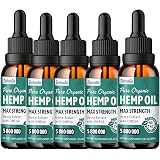
Dr. Gruber emphasized that her study utilized a “whole plant full spectrum product,” meaning it contained not only CBD but also a rich array of other cannabinoids, terpenes, and flavonoids naturally found in the cannabis plant. This distinction is crucial because of a concept known as the “entourage effect.”
The entourage effect hypothesizes that these various compounds work synergistically, enhancing each other’s therapeutic properties and mitigating potential side effects, ultimately leading to a more profound and comprehensive therapeutic outcome than any single compound could achieve on its own. Imagine an orchestra where each instrument plays its part, creating a rich, harmonious symphony far more impactful than a solo performance. Similarly, the diverse chemical constituents within a full-spectrum extract are believed to interact in concert, amplifying the anti-anxiety benefits of CBD while potentially activating other beneficial pathways. This holistic approach to cannabis medicine contrasts sharply with isolated CBD products, where the synergistic potential of the full plant profile is largely absent, suggesting that the intricate natural composition of the plant may be key to unlocking its full therapeutic promise for anxiety relief.
Real-World Transformations: Erin’s Experience and Broader Implications
Erin’s journey, as depicted in the video, serves as a powerful testament to the potential impact of CBD for anxiety. From being an outgoing individual who performed on stage to someone whose life was constrained by the pervasive fear of panic attacks, her transformation after starting the CBD regimen was described as “striking, profound.” Her mother, Laurie, noted a dramatic shift within “two weeks,” observing a “whole new kid” who began exploring the world again with newfound confidence.
This rapid improvement underscores the significant potential for CBD to restore a sense of normalcy and autonomy for those whose lives have been hijacked by anxiety. Furthermore, Erin’s anecdotal comparison between CBD and benzodiazepines—powerful prescription medications often used for acute anxiety—offers valuable insight. While she noted CBD didn’t eliminate a panic attack as swiftly or completely as a benzo, it provided tangible relief. This suggests CBD might serve as a complementary or alternative option, particularly for managing persistent anxiety and potentially reducing the reliance on medications known for their sedative effects and risk of dependence. Such real-world experiences, while needing rigorous scientific corroboration, paint a hopeful picture for future treatment paradigms focusing on CBD for anxiety.
Navigating the Future of CBD for Anxiety Relief
The promising early findings from clinical trials like Dr. Gruber’s underscore the critical need for continued research into CBD for anxiety. While anecdotal evidence and open-label studies offer compelling narratives, the scientific community awaits the comprehensive analysis of double-blinded, placebo-controlled trials to unequivocally establish CBD’s long-term efficacy and safety profile. Further studies are essential to understand optimal dosages, different formulations (e.g., full-spectrum vs. isolate), and individual variations in response.
As the landscape of medical cannabis and cannabinoid research evolves, a clearer picture of CBD’s role in mental health will undoubtedly emerge. Its non-intoxicating nature, coupled with its interaction with various physiological systems, positions CBD as a compound with significant potential to offer effective and sustainable anxiety relief, paving the way for improved well-being for countless individuals.
Your Deeper Dive into CBD, Anxiety, and Clinical Findings
What is CBD?
CBD, or Cannabidiol, is a compound found in the cannabis plant. Unlike THC, CBD is non-psychoactive, meaning it does not cause a ‘high.’
How might CBD help with anxiety?
CBD is believed to help with anxiety by interacting with the body’s endocannabinoid system and potentially boosting serotonin signaling, which regulates mood. This interaction may help calm the nervous system without impairing cognitive function.
What does ‘full-spectrum CBD’ mean?
Full-spectrum CBD products include not only CBD but also a variety of other cannabinoids, terpenes, and compounds naturally found in the cannabis plant. These components are thought to work together to enhance the overall benefits, a phenomenon called the ‘entourage effect.’
Why are clinical trials important for understanding CBD’s effects?
Clinical trials are crucial for scientifically proving if CBD is truly effective and safe for conditions like anxiety. They use rigorous methods, such as double-blind, placebo-controlled studies, to eliminate bias and provide reliable data on its therapeutic potential.