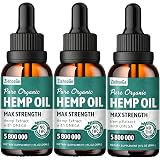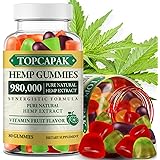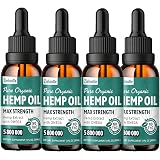

The journey to healthy, vibrant hair can often feel like an uphill battle, especially when faced with conditions like hair loss, scalp inflammation, or excessive oil production. Many individuals are searching for natural solutions that offer more than just superficial results. In this pursuit, as explored in the video above, a remarkable plant-derived compound has emerged as a topic of significant interest: cannabidiol, or CBD oil. Once shrouded in misunderstanding, the potential benefits of CBD for overall wellness, and specifically for scalp health and promoting conditions conducive to hair growth, are increasingly being recognized.
This article aims to deepen the understanding of how **CBD oil for hair growth** is gaining traction. It will be seen that while direct human trials focusing solely on hair growth are still emerging, a compelling body of indirect evidence suggests CBD oil possesses properties that can create an optimal environment for hair follicles. From balancing scalp conditions to providing essential nutrients, CBD oil may represent a multifaceted approach to tackling common hair challenges.
Understanding Cannabidiol (CBD): A Closer Look
Cannabidiol, commonly known as CBD, is a non-intoxicating compound extracted from the cannabis plant. It stands as the second most prevalent cannabinoid found in cannabis, often constituting up to 40 percent of the plant’s extract, with delta-9 tetrahydrocannabinol (THC) being the primary. To fully grasp CBD’s therapeutic potential, it is often helpful to differentiate it clearly from THC, its more infamous cousin.
1. **CBD vs. THC: The Key Distinction.** Cannabis is frequently associated with marijuana, a plant harvested for its psychoactive effects. These effects are primarily induced by THC, which interacts with brain receptors to produce the “high” users experience. CBD, by contrast, does not possess these psychoactive properties. It can be likened to two different keys from the same plant, where one key unlocks a euphoric experience (THC), while the other (CBD) opens doors to a range of potential therapeutic benefits without altering one’s state of mind. This fundamental difference makes CBD an appealing option for those seeking health benefits without intoxication.
2. **Interacting with the Endocannabinoid System (ECS).** The human body is remarkably equipped to interact with cannabinoids, thanks to a complex biological system known as the endocannabinoid system (ECS). This system is considered a master regulator, maintaining internal balance (homeostasis) across various physiological processes, including appetite, mood, pain, and memory. The ECS operates through cannabinoid receptors, chiefly classified as CB1 receptors (predominantly found in the brain and central nervous system) and CB2 receptors (largely located within the immune system and peripheral tissues). CBD, along with cannabinoids produced naturally by the body (endocannabinoids), interacts with these receptors, influencing intracellular effects and neuronal excitability. This interaction is akin to a finely tuned orchestra, where the ECS acts as the conductor, ensuring all bodily systems are in harmony, and CBD can help to recalibrate any off-key notes, promoting overall physiological balance.
Beyond the Buzz: General Health Benefits of CBD Oil
Before delving into its specific applications for hair, it is important to acknowledge CBD oil’s broader health implications. Its wide-ranging effects on the body provide a foundational understanding of its potential benefits for scalp health. The therapeutic properties of CBD are often linked to its interaction with the ECS, leading to significant physiological improvements.
1. **Reducing Pain and Inflammation.** The use of cannabis to treat various medical conditions, including muscle spasms and joint pain, dates back centuries to circa 2900 BC. Modern research has begun to illuminate CBD’s role in this ancient remedy. While the exact mechanisms are still under investigation, several studies underscore CBD’s anti-inflammatory and analgesic properties. For example, a 2015 study, focusing on Sativex (an oral spray containing both THC and CBD) and its effects on Multiple Sclerosis (MS) patients, provided valuable insights. Thirty patients diagnosed with MS were examined before and after the trial to assess changes in muscle spasticity and pain. The study’s results indicated an increase in intracortical inhibition and a significant reduction in spinal excitability, leading to improved spasticity and associated symptoms. Researchers speculated that Sativex worked along intracortical pathways, suggesting that cannabinoids like CBD can alleviate neurological symptoms, including chronic pain, which can often be a source of stress that indirectly impacts hair health.
2. **Alleviating Symptoms of Anxiety and Depression.** Mental well-being is intrinsically linked to physical health, and the toll of anxiety and depression on an individual’s energy and overall quality of life is profound. While conventional treatments often involve Selective Serotonin Reuptake Inhibitors (SSRIs) or Serotonin and Norepinephrine Reuptake Inhibitors (SNRIs), CBD has emerged as a promising alternative for managing these conditions. A notable study from Brazil recruited 36 individuals, including 24 patients with Generalized Social Anxiety Disorder (SAD) who had not received prior treatment, and 12 healthy controls. Participants engaged in a simulated public speaking test, with SAD patients receiving either a 600-milligram dose of CBD or a placebo an hour and a half before the test. The findings revealed that pretreatment with CBD significantly reduced anxiety, cognitive impairment, and discomfort during speech performance, along with decreased alertness in anticipatory speech. These results were particularly striking compared to the placebo group, who exhibited higher levels of anxiety. Although more research is needed, studies such as a 2016 investigation into CBD oil’s effectiveness for insomnia in children with Post-Traumatic Stress Disorder (PTSD) further suggest its potential for improving mental health, indirectly contributing to a healthier state for potential hair regrowth, as stress is a known factor in hair loss.
Targeting Hair & Scalp: Specific Benefits of CBD Oil for Hair Growth
While direct studies on **CBD oil for hair growth** are nascent, the indirect evidence, derived from its impact on scalp health and nutrient provision, is quite compelling. The influence of CBD on the endocannabinoid system and its diverse cellular interactions contribute to a healthier environment where hair can thrive.
1. **May Treat Psoriasis.** Psoriasis is a chronic autoimmune skin condition characterized by red, flaky, and thick patches of skin, often appearing on areas with high sebum content like the scalp. Conventional treatments, ranging from photodynamic therapy to immunosuppressive drugs, carry various risks and side effects. However, a 2016 literature review highlighted CBD as a potential future treatment option for psoriasis patients. Given that psoriasis is an autoimmune disorder that can involve interactions within the nervous system, including the endocannabinoid system, it is believed that CBD could play a significant role in mitigating symptoms. Its anti-inflammatory properties and ability to modulate immune responses may help to calm the overactive cellular processes that lead to psoriatic lesions on the scalp, thereby creating a more favorable environment for hair follicles.
2. **Stabilizes Sebum Levels.** Sebum, the natural oil produced by sebaceous glands within hair follicles, is crucial for moisturizing the scalp and hair. However, an imbalance—specifically excess sebum—can lead to several dermatological conditions that negatively impact hair health, such as dandruff and seborrheic dermatitis. This buildup can clog follicles, cause irritation, inflammation, and itching, potentially dislodging healthy hairs or preventing new growth. A groundbreaking 2014 *in vitro* research study provided significant insight, demonstrating that cannabidiol exerts sebostatic (sebum-suppressing) effects on human sebocytes, which are the specialized cells that produce sebum. The researchers used cultured human sebocytes and human skin organ cultures to observe CBD’s impact. The tests showed that CBD inhibited the lipogenic (fat-producing) actions of various compounds like arachidonic acid, linoleic acid, and testosterone. The mechanism appears to involve the activation of specific ion channels, notably transient receptor potential vanilloid-4 (TRPV4), which then suppresses sebum proliferation and expression. This discovery is a substantial breakthrough for managing oily scalps and related conditions, indirectly supporting a cleaner, less inflamed environment for **CBD oil for hair growth**.
3. **Provides Nutritional Benefit.** Nutrient deficiencies are a known contributor to hair thinning and loss, particularly when vital hair nutrients like iron, niacin, and biotin are lacking. Moreover, inflamed follicles can be deprived of essential oxygen and nutrients from the blood vessels, exacerbating hair loss. CBD oil is a rich source of vital nutrients, including Omega-3, Omega-6, and Omega-9 fatty acids, as well as Gamma Linoleic Acid (GLA). These fatty acids are beneficial in multiple ways: they provide crucial moisture to the scalp and hair, and they help protect the hair cuticle against external damage, which reduces breakage and split ends. Furthermore, the amino acids present in CBD contribute directly to the structure of the hair strand. Hair is composed almost entirely of keratin protein, and since amino acids are the fundamental building blocks of protein, the nutritional content of CBD oil can help strengthen existing hair and promote the growth of robust new strands. This comprehensive nutritional support makes CBD oil a holistic contender in maintaining hair vitality.
Navigating the Landscape: Legality and Application of CBD for Hair
With the growing interest in CBD oil, understanding its legal status and effective application methods is crucial for anyone considering it for hair health. The regulatory landscape around cannabis and its derivatives, including CBD, varies significantly across regions, making informed choices imperative.
1. **Legal Clarity: Hemp vs. Marijuana-Derived CBD.** The legality of CBD oil often hinges on its source. In the United States, for instance, the 2018 Farm Bill, signed into law in December 2018, federally legalized CBD oils derived from hemp plants. Hemp is legally defined as any cannabis plant variety containing less than 0.3 percent THC by dry weight, meaning it is a non-intoxicating variety. Marijuana, conversely, is any cannabis plant with a THC content greater than 0.3 percent, known for its psychoactive effects. While hemp-derived CBD is broadly legal at the federal level in the U.S. and in many other parts of the world, marijuana-derived CBD remains legal only in specific states or countries that have legalized cannabis more broadly. This distinction is critical for consumers to ensure compliance with local laws.
2. **Application Methods for Hair and Scalp.** CBD can be utilized for hair health through two primary methods: topical application and oral ingestion. Each approach offers distinct advantages for delivering CBD to the body and scalp.
- **Topical Application:** Massaging CBD oil directly into the hair and scalp allows for localized benefits. Many brands now offer CBD-infused shampoos and conditioners, making it simple to integrate CBD into an existing hair care routine. When applied topically, CBD can interact directly with cannabinoid receptors present in the skin and hair follicles, potentially addressing issues like inflammation, sebum imbalance, and scalp irritation at the source.
- **Oral Ingestion:** The vast majority of CBD oils are formulated for oral consumption, typically taken as a tincture under the tongue or in capsule form. This method facilitates systemic absorption, meaning CBD enters the bloodstream and can exert its effects throughout the body, including providing nutritional support and influencing the endocannabinoid system’s regulatory functions. For comprehensive benefits, particularly nutrient absorption and systemic anti-inflammatory effects, oral ingestion can be a powerful choice. Some individuals may opt for a combination of both topical and oral methods to maximize the potential benefits for hair growth and scalp health.
Choosing Wisely: Selecting Quality CBD Oil for Hair Health
Given the unregulated nature of the CBD market in many regions, selecting a high-quality product is paramount to ensure both efficacy and safety. Not all CBD oils are created equal, and discerning consumers should be aware of what to look for.
1. **Full-Spectrum vs. CBD Isolate.** When purchasing CBD oil, consumers will often encounter terms like “full-spectrum CBD” and “CBD isolate.” Full-spectrum CBD oil contains a wide array of cannabinoids, terpenes, flavonoids, and other beneficial compounds found naturally in the hemp plant, including trace amounts of THC (below 0.3%). This synergistic interaction between compounds is often referred to as the “entourage effect,” suggesting that these components work better together than in isolation. Think of it like a full orchestra playing a symphony compared to a solo instrument; the collective sound is richer and more impactful. In contrast, CBD isolate contains only pure CBD, with all other plant compounds removed. While isolate can be beneficial, many proponents of full-spectrum products believe the entourage effect offers more comprehensive therapeutic benefits, particularly for multifaceted concerns like hair and scalp health, where various compounds may contribute to overall wellness.
2. **The Importance of Third-Party Testing.** One of the most critical factors in choosing quality CBD oil is the presence of third-party lab testing. In the United States, for example, the Federal Drug Administration (FDA) does not regulate CBD oil quality, leaving manufacturers responsible for accurate labeling and product integrity. This regulatory vacuum makes independent verification indispensable. Reputable companies will readily provide Certificates of Analysis (COAs) from third-party laboratories. These COAs verify the product’s potency (ensuring it contains the advertised amount of CBD and THC), purity (confirming the absence of harmful contaminants like heavy metals, pesticides, and mold), and often list other cannabinoid and terpene profiles. By reviewing these reports, consumers can have greater assurance that the product they are purchasing is safe, accurately labeled, and of high quality, a crucial step for anyone exploring **CBD oil for hair growth**.
The Road Ahead: Current Research and Future Potential for Hair Health
It is important to reiterate that, as of now, direct human clinical trials specifically investigating **CBD oil for hair growth** have not been widely performed. However, this absence of direct trials does not diminish the strong theoretical foundation and promising indirect evidence gathered from broader CBD research. The existing studies on CBD’s effects on inflammation, sebum regulation, and its rich nutritional profile provide a compelling narrative for its potential in optimizing scalp health and fostering an environment conducive to hair growth. The ability of CBD to control sebum levels is a critical factor, as excessive oiliness and clogged follicles are significant impediments to healthy hair. Similarly, its anti-inflammatory properties can soothe irritated scalps, reducing conditions that trigger hair loss, while the array of fatty acids and amino acids offer direct nourishment to the hair and follicles. While direct evidence is still being gathered, the multifaceted benefits of CBD oil suggest it represents a fascinating and promising frontier in natural hair care, potentially offering a holistic approach to scalp health and hair vitality.
Unpacking the Unexpected: Your CBD Hair Growth Q&A
What is CBD oil?
CBD oil is a non-intoxicating compound extracted from the cannabis plant. It’s used for potential therapeutic benefits, unlike THC which causes a ‘high’.
Will using CBD oil for my hair make me feel ‘high’?
No, CBD oil does not cause a ‘high’ because it lacks the psychoactive properties of THC. Most CBD products for health are derived from hemp, which contains very low levels of THC (under 0.3%).
How can CBD oil help improve my hair and scalp health?
CBD oil can help by balancing natural oil production on your scalp, reducing inflammation, and providing important nutrients like Omega fatty acids. These benefits create a healthier environment for hair growth and strength.
Is it legal to use CBD oil for hair growth?
Yes, CBD oil derived from hemp plants (which contain less than 0.3% THC) is federally legal in the U.S. and in many other regions. Always check your local laws to be sure.
How do I apply CBD oil for the best results on my hair and scalp?
You can apply CBD oil topically by massaging it directly into your scalp or by using CBD-infused shampoos and conditioners. Some people also choose to take CBD oil orally for broader systemic benefits.