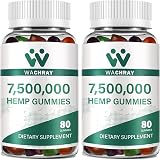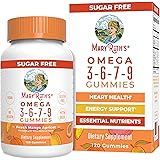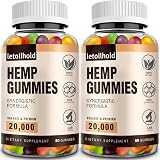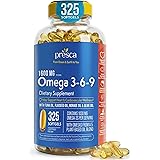

The distinction between hemp oil and CBD oil is critical for anyone exploring natural remedies, particularly those seeking relief from anxiety. As detailed in the accompanying video, these two products, while both derived from the cannabis plant, possess fundamental differences in their composition, extraction, and the therapeutic benefits they offer. Understanding these nuances is essential for making an informed choice that aligns with your specific health and wellness goals, especially when targeting conditions like stress and anxiety.
Understanding Hemp Oil and CBD Oil: Fundamental Differences
Despite often being used interchangeably in general discussion, hemp oil and CBD oil originate from different parts of the cannabis plant and undergo distinct extraction processes. These differences directly influence their chemical profiles and their effects on the body. It is important for consumers to recognize these variations when considering products for health applications.
Hemp oil, often labeled as hemp seed oil, is typically extracted through the cold-pressing of the seeds of the hemp plant. This method yields an oil rich in nutritional compounds but generally devoid of cannabinoids like CBD or THC. Its clear, light green appearance and nutty flavor are characteristic of this seed-derived product, which is widely recognized for its dietary and cosmetic applications.
Conversely, CBD oil is primarily extracted from the leaves, flowers, and stalks of the hemp plant, where the highest concentrations of cannabidiol (CBD) are found. The extraction processes for CBD are more complex, often involving solvents or CO2 to separate the desired cannabinoids. The resulting CBD oil frequently exhibits an earthy flavor and a golden hue, reflecting its distinct cannabinoid profile.
Composition and Cannabinoid Content Explained
The core difference between these oils lies in their active compounds. Hemp seed oil is celebrated for its rich nutritional content, which includes a high amount of antioxidants, vitamin E, and essential fatty acids like omega-3 and omega-6. These components are highly beneficial for overall bodily health, contributing to skin hydration, hair strength, and general nutritional support.
In contrast, CBD oil is valued specifically for its concentration of cannabidiol, a non-psychoactive compound that interacts with the body’s endocannabinoid system. This interaction is believed to be responsible for a wide range of therapeutic effects. While both oils may contain trace amounts of tetrahydrocannabinol (THC), typically up to the legal limit of 0.3%, the focus of CBD oil is on the benefits derived from CBD itself, without inducing psychoactive effects commonly associated with higher THC levels.
The presence of other cannabinoids, terpenes, and flavonoids in CBD oil also contributes to what is often referred to as the “entourage effect.” This phenomenon suggests that these compounds work synergistically to enhance the therapeutic properties of CBD. This comprehensive interaction of plant compounds is a key aspect differentiating true CBD oil from simple hemp seed oil.
Benefits of Hemp Oil: Beyond Therapeutic Uses
While hemp seed oil does not offer the direct therapeutic benefits for conditions like anxiety that CBD oil does, its nutritional advantages are substantial. As a potent source of essential fatty acids, it serves as an excellent dietary supplement. The oil can be incorporated into cooking or used in salad dressings to enhance nutrient intake and support cardiovascular health.
Furthermore, hemp oil is a popular ingredient in the cosmetic industry, found in numerous hair and skin care products such as shampoos, conditioners, and body lotions. Its emollient properties and high vitamin E content make it effective for moisturizing the skin and promoting hair health. For these reasons, hemp seed oil is a valuable addition to a wellness routine, focusing on nutrition and topical care rather than medicinal applications.
The Therapeutic Promise of CBD Oil: Addressing Anxiety and More
The primary appeal of CBD oil stems from its potential therapeutic benefits, particularly its documented efficacy in managing various health conditions. Research indicates that CBD can interact with serotonin receptors in the brain, which play a crucial role in mood regulation and anxiety levels. This mechanism suggests a reason for its observed anti-anxiety and antidepressant effects.
Numerous studies have explored CBD’s impact on mental health disorders, including social anxiety disorder, obsessive-compulsive disorder (OCD), and post-traumatic stress disorder (PTSD). Patients suffering from these conditions have reported improvements in symptom severity, indicating CBD’s potential as a supportive treatment. The ability to offer the therapeutic potential of the cannabis plant without psychoactive effects is a significant advantage for many individuals.
Beyond anxiety, CBD oil has been extensively investigated for its anti-inflammatory and pain-relieving properties. Clinical observations have shown promise in alleviating chronic pain associated with conditions such as arthritis and multiple sclerosis. Patients taking CBD have experienced reductions in pain, stiffness, and muscle spasms, significantly improving their quality of life.
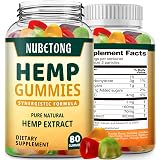
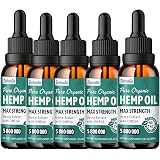
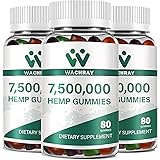
CBD oil is also frequently consumed sublingually, where drops are placed under the tongue for rapid absorption into the bloodstream. It is additionally infused into various consumable products, including gummies, beverages, and capsules, providing diverse options for administration. This versatility allows individuals to choose the most convenient and effective method for their personal health regimen.
Choosing the Right Oil for Anxiety Relief
When the specific goal is to alleviate anxiety, the consensus from extensive research and anecdotal evidence strongly favors CBD oil over hemp seed oil. While hemp oil provides valuable nutritional support, it lacks the cannabidiol content necessary to interact with the body’s endocannabinoid system in a way that directly impacts anxiety pathways.
For individuals grappling with persistent anxiety, including generalized anxiety, social anxiety, or symptoms related to PTSD, CBD oil is the product specifically formulated to offer potential relief. Its anti-anxiety and antidepressant effects are attributed to its unique interaction with neurological receptors. Therefore, a careful assessment of product labels to confirm the presence of cannabidiol is advised when selecting an oil for anxiety.
Consumers are encouraged to look for full-spectrum or broad-spectrum CBD products, which contain a wider array of cannabinoids and terpenes that may enhance therapeutic effects through the entourage effect. Always ensure products are third-party tested to verify purity, potency, and the absence of harmful contaminants. This due diligence is crucial for safety and efficacy in managing conditions with CBD oil for anxiety.
Untangling Your Anxiety: Hemp vs. CBD Questions Answered
What is the main difference between hemp oil and CBD oil?
Hemp oil, often called hemp seed oil, is pressed from the seeds and is rich in nutrients but contains almost no CBD. CBD oil is extracted from the leaves, flowers, and stalks of the hemp plant, where the CBD compound is concentrated.
What are the benefits of using hemp oil?
Hemp oil is valued for its nutritional content, including essential fatty acids and vitamins, making it a good dietary supplement and a popular ingredient in cosmetic products for skin and hair health.
What is CBD oil typically used for?
CBD oil is primarily used for its potential therapeutic benefits, such as helping to manage anxiety, depression, inflammation, and chronic pain, due to its interaction with the body’s endocannabinoid system.
Which oil should I choose if I want relief from anxiety?
For anxiety relief, you should choose CBD oil because it contains cannabidiol, which interacts with neurological receptors to help manage anxiety symptoms. Hemp seed oil does not offer these direct therapeutic effects for anxiety.