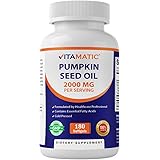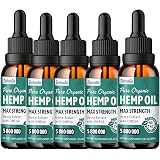

Have you ever found yourself navigating the burgeoning natural wellness market, only to be confused by the seemingly interchangeable terms “CBD oil” and “hemp seed oil”? As Dr. Richard Harris highlights in the accompanying video, this is a pervasive question among consumers. While both products originate from the versatile hemp plant, their molecular compositions, extraction methods, and ultimately, their intended therapeutic benefits are remarkably distinct. Understanding this fundamental difference is crucial for anyone seeking to leverage the specific properties of either botanical extract for their health regimen.
The vast cannabis sativa plant, specifically industrial hemp varieties, serves as the source for both CBD oil and hemp seed oil. However, it is the particular part of the plant utilized for extraction that dictates the final product’s profile. Imagine if you were to compare apples to oranges; both are fruits, yet their nutritional values and primary uses diverge significantly. Similarly, hemp seeds yield one type of oil, while the flowers, leaves, and stalks provide the raw material for another, far more complex extract.
Distinguishing CBD Oil from Hemp Seed Oil: A Deeper Dive
The core disparity between CBD oil and hemp seed oil lies in their cannabinoid content. Cannabinoids are a class of chemical compounds that interact with the body’s endocannabinoid system (ECS), a complex cell-signaling network that plays a crucial role in regulating various physiological and cognitive processes. CBD, or cannabidiol, is a prominent phytocannabinoid known for its potential to support balance within the ECS. When we talk about CBD oil, we are referring to an extract specifically designed to deliver a measurable concentration of cannabidiol and other beneficial phytocannabinoids, terpenes, and flavonoids.
In stark contrast, hemp seed oil is primarily derived from the cold-pressing of hemp seeds. These seeds, while incredibly nutritious, contain negligible amounts of cannabinoids. As Dr. Harris correctly points out, any cannabinoid presence in hemp seed oil is typically so minute that it would not elicit any perceptible physiological effect in the human body. Therefore, attempting to achieve the therapeutic outcomes associated with CBD by consuming hemp seed oil would be akin to trying to hydrate solely from eating dry toast – it simply won’t deliver the intended result.
The Science Behind CBD: Beyond the Seed
CBD oil is extracted from the resinous flowers, leaves, and sometimes the stalks of the hemp plant, where cannabinoids are most abundant. This extraction process often involves sophisticated techniques like supercritical CO2 extraction or ethanol extraction, designed to isolate and concentrate the desired compounds. The resulting extract is then typically diluted with a carrier oil, such as MCT oil or olive oil, to create the final product, which is what we recognize as CBD oil.
There are several types of CBD products, each offering a different phytochemical profile. Full-spectrum CBD oil contains all the naturally occurring compounds found in the hemp plant, including other cannabinoids (like trace amounts of THC, within legal limits), terpenes, and flavonoids. This synergistic interaction is often referred to as the “entourage effect,” where the combined compounds work more effectively than CBD in isolation. Broad-spectrum CBD oil contains a similar range of compounds but has had the THC completely removed, while CBD isolate is purified cannabidiol with all other plant compounds removed. Each type caters to different preferences and regulatory considerations, yet all are distinct from the simple hemp seed oil.
Nutritional Value of Hemp Seed Oil: A Different Kind of Benefit
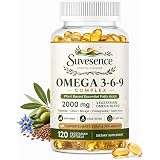
While hemp seed oil does not offer the cannabinoid-based benefits of CBD oil, it is by no means without its own merits. This nutritional powerhouse is celebrated for its rich profile of healthy fats, particularly omega-3 and omega-6 fatty acids, in an optimal 3:1 ratio. These essential fatty acids are critical for various bodily functions, including brain health, inflammation regulation, and cardiovascular support. Hemp seed oil also contains valuable antioxidants, vitamins (like Vitamin E), and minerals, making it an excellent dietary supplement for overall wellness.
Imagine if you were focusing on supporting skin elasticity or boosting your daily intake of beneficial fats; hemp seed oil would be an exceptional choice. It can be incorporated into diets as a culinary oil for dressings, smoothies, or drizzled over dishes, contributing to nutritional intake without the expectation of cannabinoid effects. However, its purpose is distinctly different from that of a high-quality CBD product. The “beneficial molecules” Dr. Harris mentions are indeed present, but they serve a different physiological role than the cannabinoids found in CBD oil.
Making Informed Choices in a Complex Market
The market for hemp-derived products is still relatively new and complex, with varying degrees of regulation globally. This makes it imperative for consumers to be diligent in understanding what they are purchasing. The confusion between CBD oil and hemp seed oil often stems from ambiguous labeling or a lack of consumer education, which savvy marketers might exploit. Truly high-quality CBD products will typically provide third-party lab testing results, known as Certificates of Analysis (CoAs), which detail the cannabinoid profile, potency, and confirm the absence of contaminants like heavy metals or pesticides.
When selecting a product, consider your primary health goals. Are you seeking nutritional support for overall well-being and healthy fats? Hemp seed oil could be a fitting addition to your diet. However, if your aim is to engage with the endocannabinoid system to potentially support issues like discomfort, sleep quality, or stress management, then a high-quality CBD oil product is the clear choice. Understanding the foundational differences between CBD oil and hemp seed oil empowers you to make educated decisions, ensuring you invest in the right botanical extract for your specific needs.
Decoding CBD & Hemp Seed Oils: Your Questions Answered
What is the main difference between CBD oil and hemp seed oil?
CBD oil contains beneficial compounds called cannabinoids, which interact with your body. Hemp seed oil is extracted from the seeds and has very few or no cannabinoids.
Where do CBD oil and hemp seed oil come from on the hemp plant?
CBD oil is made from the flowers, leaves, and stalks of the hemp plant, where cannabinoids are abundant. Hemp seed oil comes specifically from pressing the seeds of the plant.
Does hemp seed oil contain CBD?
No, hemp seed oil contains only negligible amounts of CBD or other cannabinoids. It is primarily valued for its nutritional properties rather than cannabinoid effects.
What are CBD oil’s main benefits?
CBD oil is used for its potential therapeutic benefits, such as helping with discomfort, improving sleep quality, or managing stress, by interacting with the body’s endocannabinoid system.
What are hemp seed oil’s main benefits?
Hemp seed oil is a nutritious oil rich in healthy fats like omega-3 and omega-6 fatty acids, along with vitamins and minerals, which support overall wellness and brain health.