
Approximately 40 million adults in the United States, representing nearly 19.1% of the population, contend with an anxiety disorder each year. This pervasive challenge frequently impacts daily functioning, often leading individuals to seek effective therapeutic interventions beyond conventional pharmaceuticals. While traditional anxiety medications like benzodiazepines offer relief, their potential for dependence and side effects prompts a compelling exploration of alternatives. As highlighted in the insightful video above, CBD oil for anxiety has emerged as a topic of significant interest, often pondered as either a revolutionary treatment or merely a transient trend.
The burgeoning field of cannabinoid research presents compelling data points for discussion regarding the efficacy of cannabidiol (CBD). This compound, derived primarily from the hemp plant, has garnered substantial attention for its non-psychoactive profile and potential therapeutic benefits. We delve deeper into the science and practical considerations surrounding CBD oil, extending beyond the foundational overview provided in the video, to equip you with a more comprehensive understanding.
Understanding the Landscape of Anxiety and Its Treatments
Anxiety disorders manifest as excessive worry, fear, or apprehension, profoundly affecting an individual’s quality of life. Unlike transient stress, chronic anxiety can be debilitating, impeding social interactions, professional productivity, and personal well-being. The video aptly notes that severe, prolonged anxiety can frequently spiral into depressive episodes, highlighting the intricate connection between these two mental health conditions.
The Anxious Mind: A Precursor to Other Challenges
When individuals experience relentless anxiety, their physiological and psychological resources become depleted. This persistent state of hyper-arousal often disrupts normal routines, leading to social isolation, job performance issues, and a general decline in overall functioning. Over time, the sustained emotional burden and lack of accomplishment can trigger secondary depression, creating a complex dual diagnosis that complicates treatment protocols. Understanding this progression underscores the critical need for effective and sustainable anxiety management strategies.
Navigating Traditional Anxiolytics: Benefits and Drawbacks
For decades, benzodiazepines have served as a frontline treatment for acute anxiety dueling to their rapid onset of action. Medications like Xanax or Klonopin effectively reduce neural excitability by enhancing the effects of gamma-aminobutyric acid (GABA), a primary inhibitory neurotransmitter. However, a significant drawback, as mentioned in the accompanying video, is their propensity for dependence and potential for withdrawal symptoms, including severe rebound anxiety. This risk factor has led many psychiatrists to exercise greater caution in prescribing these habit-forming substances, prompting a search for safer, equally effective alternatives.
Deciphering Cannabidiol (CBD): A Foundational Overview
Cannabidiol, commonly known as CBD, is one of over 100 cannabinoids identified in the cannabis plant. Crucially, it is distinct from tetrahydrocannabinol (THC), the compound responsible for marijuana’s psychoactive effects. The video correctly states that legal CBD products derived from hemp contain less than 0.3% THC, rendering them non-intoxicating. This distinction is paramount for individuals seeking therapeutic relief without altered cognitive states, making CBD oil for anxiety an appealing option.
CBD’s Origins: From Plant to Potential Panacea
The cannabis plant, particularly the hemp variety, is the primary source of commercially available CBD oil. Extraction methods vary, including CO2 extraction, ethanol extraction, and lipid extraction, each influencing the purity and concentration of the final product. The rigorous process ensures that the desired cannabinoids, terpenes, and other beneficial compounds are retained while minimizing undesirable elements like chlorophyll or residual solvents. This careful approach maintains the integrity and therapeutic potential of the CBD oil.
The Charlotte Figi Phenomenon: A Catalyst for CBD Research
The year 2013 marked a pivotal moment for CBD’s recognition on the national stage, largely due to the compelling case of Charlotte Figi. A six-year-old girl from Colorado, Charlotte suffered from Dravet syndrome, a rare and severe form of epilepsy, experiencing up to 300 grand mal seizures weekly. Conventional treatments had failed, leaving her parents desperate. Upon discovering a high-CBD, low-THC cannabis strain—later famously dubbed ‘Charlotte’s Web’—her seizures dramatically reduced, offering unprecedented relief. This extraordinary success story, initially met with skepticism by the medical community, catalyzed significant public interest and scientific inquiry into CBD’s anticonvulsant properties, paving the way for its broader consideration in other conditions, including anxiety.
The Pharmacodynamics of CBD: How Does it Work?
The mechanisms by which CBD oil for anxiety exerts its therapeutic effects are complex and multifaceted, primarily involving interactions with the body’s vast endocannabinoid system (ECS) and other neuroreceptor systems. Unlike THC, which directly binds to cannabinoid receptors, CBD appears to influence these systems indirectly, modulating their activity rather than activating them outright. This nuanced interaction is key to its non-psychoactive profile and diverse therapeutic applications.
Engaging the Endocannabinoid System (ECS)
The endocannabinoid system is a crucial neuromodulatory system responsible for maintaining homeostasis throughout the body, influencing processes like mood, sleep, appetite, pain sensation, and immune response. The ECS comprises endogenous cannabinoids (endocannabinoids), cannabinoid receptors (CB1 and CB2), and enzymes responsible for their synthesis and degradation. CBD does not bind strongly to CB1 or CB2 receptors; instead, it is thought to inhibit the enzymes that break down endocannabinoids, thereby increasing their levels. Elevated endocannabinoid levels can lead to a more balanced and regulated physiological state, which could contribute to a reduction in anxiety and improvements in overall mental well-being.
Serotonin Pathways and Anxiolytic Effects
Beyond the ECS, research indicates that CBD interacts with several non-cannabinoid receptor systems, most notably the 5-HT1A serotonin receptor. Serotonin is a neurotransmitter critically involved in mood regulation, sleep, and anxiety. Studies suggest that CBD acts as an agonist at the 5-HT1A receptor, meaning it activates this receptor, which is typically associated with antidepressant and anxiolytic effects. This interaction provides a plausible neurochemical basis for CBD’s potential to alleviate anxiety, distinguishing its mechanism from traditional anxiolytics and potentially offering a broader spectrum of therapeutic impact. The video’s comparison of CBD to anti-seizure medications like Klonopin further underscores a common neurophysiological pathway in modulating neural excitability and promoting a calmer state.
Beyond Anxiety: Broadening CBD’s Therapeutic Scope
While the focus remains on CBD oil for anxiety, the compound’s versatility extends to various other conditions. The foundational research into its anti-seizure properties, exemplified by Charlotte Figi’s case, quickly broadened the scope of inquiry. Many individuals, as noted in the video and supported by growing anecdotal evidence, utilize CBD for a range of physical and mental health challenges.
Mitigating Chronic Pain and Inflammation
Chronic pain and inflammation are widespread health issues, often leading to significant disability and reduced quality of life. The video highlights instances where individuals, including the speaker’s brother and numerous patients of an Oregon nurse, effectively use CBD for pain management. CBD’s anti-inflammatory properties are attributed to its interaction with immune cells and various pain pathways. By modulating inflammatory responses and influencing pain perception, CBD offers a non-opioid alternative that can significantly improve comfort levels for those suffering from conditions like arthritis, neuropathic pain, and general chronic discomfort.
Exploring Neurological and Addiction Support
The therapeutic potential of CBD extends to various neurological disorders and addiction recovery. Beyond epilepsy, preliminary research suggests CBD’s utility in conditions such as psychosis, where it might exert antipsychotic effects by modulating dopamine pathways. Moreover, some individuals are exploring CBD as an aid for breaking addiction to substances like cigarettes, heroin, methamphetamine, and cocaine. The proposed mechanism involves its ability to induce a more relaxed, less anxious state, thereby easing withdrawal symptoms and reducing cravings. The video further notes reports of CBD minimizing ‘brain zaps’ associated with antidepressant withdrawal and alleviating opiate withdrawal symptoms post-operation, showcasing its potential as a supportive therapeutic agent in complex recovery processes.
Practical Considerations for CBD Oil Use
Navigating the world of CBD oil requires careful consideration of various practical aspects, from product forms to legal implications and essential medical advice. Understanding these details ensures safe and effective integration of CBD oil for anxiety into a wellness regimen.
Diverse Delivery Methods and Bioavailability
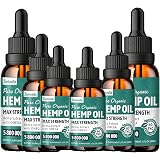
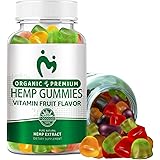
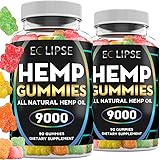
CBD oil is available in an extensive array of forms, each offering distinct advantages in terms of onset, duration, and user preference. The video enumerates tinctures (drops under the tongue), pills, chewable gels, vape cartridges, topical creams, and infused foods like chocolates. The choice of delivery method significantly impacts bioavailability—the proportion of CBD that enters the circulation and can have an active effect. Sublingual tinctures offer relatively quick absorption, while edibles have a delayed onset due to first-pass metabolism in the liver. Vaping provides the most rapid onset but may not be suitable for all users, particularly those with respiratory sensitivities. Topical applications, conversely, target localized pain and inflammation without entering the bloodstream extensively. Understanding these pharmacokinetic differences is crucial for optimizing therapeutic outcomes.
The THC Factor: Potentiation and Legal Complexities
Pure CBD, derived from hemp with less than 0.3% THC, is generally not addictive and non-psychoactive. However, as noted in discussions with pharmacists in Oregon and Washington, a ratio of nine parts CBD to one part THC can significantly “potentiate” or enhance CBD’s therapeutic effects. This synergistic interaction, known as the entourage effect, suggests that a small amount of THC can amplify the benefits of other cannabinoids and terpenes. The legal landscape for such products is more restricted; while hemp-derived CBD is widely accessible across most US states (except Idaho, Nebraska, and South Dakota), products containing higher levels of THC are only available in states where medical or recreational cannabis is legal. Users must be acutely aware of the THC content in their chosen product, particularly if they are subject to drug testing or reside in areas with stricter cannabis laws. Always verify the legal status in your specific locale.
Sourcing and Quality Assurance
The quality and potency of CBD products can vary dramatically between manufacturers. The video briefly alludes to this variability, but it warrants significant expansion. Critical steps for consumers include seeking products that provide third-party lab test results (Certificates of Analysis, or COAs). These documents verify the CBD and THC content, confirm the absence of contaminants like pesticides, heavy metals, and residual solvents, and ensure accurate labeling. Opting for reputable brands that prioritize transparency and utilize good manufacturing practices (GMP) is paramount. Investing in high-quality, verified CBD oil ensures that the product consumed is both safe and effective, mitigating risks associated with mislabeled or contaminated offerings.
Essential Medical Consultation and Drug Interactions
Despite its natural origin, CBD is a pharmacologically active compound, and professional medical consultation remains essential before initiating its use. As Douglas Bloch emphasizes in the video, checking with a prescriber or doctor is crucial to prevent adverse interactions with existing medications. CBD can inhibit cytochrome P450 enzymes, which are responsible for metabolizing many pharmaceutical drugs in the liver. This inhibition can lead to increased concentrations of other medications in the bloodstream, potentially causing heightened side effects or toxicity. While pharmacists suggest waiting two to three hours between CBD and other drug dosages, a physician’s guidance, especially for individuals on blood thinners, immunosuppressants, or other critical medications, is the final authority to ensure patient safety when considering CBD oil for anxiety or other conditions.
Clearing the Haze: Your CBD for Anxiety Questions Answered
What is CBD oil?
CBD oil is a compound found in the cannabis plant, primarily hemp. Unlike THC, it is not psychoactive and won’t make you feel “high” because it contains very little THC.
Why are people considering CBD oil for anxiety?
Many people with anxiety are looking for alternatives to traditional medications because these can have side effects and lead to dependence. CBD oil is being explored as a potential natural remedy.
How does CBD work in the body?
CBD works by interacting with your body’s endocannabinoid system, which helps maintain balance in mood, sleep, and pain. It also affects serotonin receptors, which are involved in regulating mood and anxiety.
Is pure CBD oil addictive?
Pure CBD oil derived from hemp, containing less than 0.3% THC, is generally considered non-addictive and does not cause intoxicating effects.
Should I talk to a doctor before using CBD oil?
Yes, it’s very important to talk to your doctor or a medical professional before starting CBD oil. It can interact with other medications you might be taking, potentially causing side effects.