
As dedicated pet parents, we constantly seek innovative ways to enhance our companions’ well-being. Perhaps you, like me, have a beloved senior dog navigating the challenges of age, or a younger pup who struggles with situational anxiety. Watching Skyler, a certified dog trainer and pet nutritionist, discuss her personal journey with pet CBD products – particularly how they’ve supported her 16-and-a-half-year-old dog with doggy dementia and arthritis for over four years – resonates deeply with many. Her experience, spanning research, vet consultations, and real-world application with her own and clients’ dogs, underscores a growing interest in Cannabidiol (CBD) as a potential adjunct therapy for various canine and feline ailments.
The landscape of pet wellness is continually evolving, with CBD for pets emerging as a significant topic of discussion. While the video above offers a fantastic introduction to frequently asked questions about these products, delving deeper into the science and practicalities can empower pet owners to make informed decisions. Understanding not just what CBD is, but how it interacts with an animal’s physiology, is crucial for integrating it effectively into a pet’s health regimen.
Deconstructing Pet CBD: Understanding Cannabidiol’s Core
Cannabidiol, or CBD, represents one of over a hundred phytocannabinoids found in the cannabis sativa plant. Unlike its more infamous counterpart, tetrahydrocannabinol (THC), CBD is non-intoxicating, meaning it does not produce the psychoactive “high” typically associated with marijuana. The distinction between hemp and marijuana is vital here; industrial hemp, by legal definition, contains less than 0.3% THC by dry weight, making it the primary source for pet-safe CBD products.
The therapeutic potential of CBD stems from its interaction with the endocannabinoid system (ECS), a complex cell-signaling system present in all mammals. The ECS plays a crucial role in regulating a wide array of physiological processes, including mood, pain sensation, appetite, memory, and immune function. CBD modulates the activity of ECS receptors, rather than binding directly to them, thereby promoting balance and homeostasis within the body without intoxicating effects. This intricate mechanism is what underpins its diverse range of potential benefits.
Navigating the Nuances: Hemp Seed Oil vs. CBD Oil for Pets
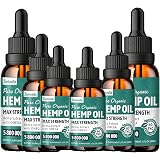
A common point of confusion among pet owners involves distinguishing between hemp seed oil and CBD oil. While both originate from the hemp plant and offer wellness benefits, their compositions and primary applications differ significantly. Hemp seed oil is derived from the seeds of the hemp plant, cold-pressed to extract its rich nutritional content. It is a powerhouse of omega-3 and omega-6 fatty acids, essential amino acids, and vital nutrients, making it an excellent dietary supplement for skin, coat, and general health.
Conversely, CBD oil, often referred to simply as “hemp oil” in the context of CBD products, is extracted from the stalks, leaves, and flowers of the hemp plant. These parts are where the highest concentrations of cannabinoids, including CBD, reside. Unlike hemp seed oil, true CBD oil contains varying levels of Cannabidiol, along with other beneficial compounds like terpenes and flavonoids, which contribute to the “entourage effect” – a synergistic interaction that can enhance CBD’s overall efficacy. Therefore, when seeking the therapeutic benefits of CBD for your pet, ensuring the product explicitly states its CBD content and source is paramount.
The Spectrum of Pet CBD: Full-Spectrum, Broad-Spectrum, and Isolate
Beyond differentiating between hemp seed and CBD oil, understanding the various types of CBD extracts is essential for making an informed choice. Each type offers a distinct cannabinoid profile and, consequently, a unique therapeutic experience for pets.
Full-Spectrum CBD
Full-spectrum CBD oil contains all the naturally occurring compounds of the hemp plant, including cannabinoids (CBD, trace amounts of THC), terpenes, and flavonoids. The trace amount of THC (below 0.3%) is generally considered insufficient to cause psychoactive effects in pets, but it contributes to the aforementioned “entourage effect,” where these compounds work together to amplify CBD’s therapeutic potential. Many advocates believe full-spectrum products offer the most comprehensive benefits due to this synergistic interaction.
Broad-Spectrum CBD
Broad-spectrum CBD oil undergoes an additional refining process to remove detectable levels of THC, while still retaining other beneficial cannabinoids, terpenes, and flavonoids. This option is often preferred by pet owners who wish to leverage the entourage effect but have concerns about any THC content, however minimal. It offers a middle ground, providing a rich profile of compounds without the presence of the psychoactive cannabinoid.
CBD Isolate
CBD isolate is the purest form of CBD, containing 99% pure cannabidiol and nothing else. All other plant materials, including cannabinoids, terpenes, and flavonoids, are removed during the extraction process. While isolate offers a precise and potent dose of CBD, it lacks the entourage effect that full and broad-spectrum products provide. Some pet owners might opt for isolate if their pet has sensitivities to other plant compounds or if they prefer a product with absolutely no other cannabinoids.
Demystifying Pet CBD Benefits: Beyond the Basics
The video touched on several key areas where CBD for pets shows promise, including anxiety, joint pain, arthritis, inflammation, and seizures. Expanding on these concepts helps illustrate the multifaceted ways CBD can support a pet’s health and quality of life.
-
Anxiety Relief: Many pets experience anxiety in various forms, from separation anxiety and noise phobias (like during fireworks or thunderstorms) to travel stress. CBD interacts with serotonin receptors in the brain, which play a critical role in mood regulation. By modulating these pathways, CBD can help calm nervous pets, reduce hyper-vigilance, and promote a more relaxed demeanor without sedation. This can be particularly beneficial for improving quality of life for chronically anxious animals.
-
Pain and Inflammation Management: Chronic pain, especially common in older pets with conditions like arthritis or hip dysplasia, can severely impact mobility and overall happiness. CBD possesses potent anti-inflammatory properties, working by influencing the body’s immune response and reducing inflammatory markers. By alleviating inflammation, CBD can directly lessen pain, making movement less uncomfortable and encouraging greater activity levels. This is often an alternative or complementary approach to traditional NSAIDs, which can have side effects.
-
Seizure Control: For pets suffering from epilepsy or other seizure disorders, CBD has emerged as a promising adjunctive therapy. Research, although still in its early stages for veterinary medicine, suggests that CBD can reduce seizure frequency and severity in some individuals. Its anticonvulsant properties are thought to be related to its interaction with neuronal excitability and neuroprotection, offering hope for pets whose seizures are not adequately controlled by conventional medications.
-
General Wellness and Homeostasis: Beyond specific ailments, the ongoing support of the endocannabinoid system by daily CBD administration contributes to overall systemic balance. This can manifest as improved appetite, better sleep patterns, reduced oxidative stress, and a bolstered immune response. For senior pets or those with various concurrent conditions, this holistic support can significantly enhance their overall vitality.
Addressing Pet Owner Concerns: Safety, Dosage, and Administration
The speaker in the video rightly addressed top concerns such as whether CBD will get a pet high or if they can overdose. Reaffirming these points with additional context is crucial for building pet owner confidence.
Will My Pet Get High?
As previously established, quality pet CBD products derived from hemp contain negligible amounts of THC, far below the threshold required to induce psychoactive effects. In fact, THC can be toxic to pets, causing symptoms like lethargy, uncoordination, excessive drooling, and even seizures in high doses. Reputable CBD manufacturers for pets rigorously test their products to ensure THC levels are undetectable or well within the safe legal limits. Always request third-party lab reports (Certificates of Analysis) to verify product purity and cannabinoid content.
Can My Pet Overdose on CBD?
The video correctly asserts that a severe overdose of CBD is highly unlikely to be life-threatening. While consuming a very large quantity might lead to temporary side effects like excessive drowsiness, mild gastrointestinal upset, or loose stools, these effects are typically transient and not dangerous. However, it’s always prudent to consult your veterinarian if your pet has consumed an unusually high dose, especially if they are on other medications or have underlying health conditions.
Precision in Dosage and Administration
Determining the optimal CBD dosage for a pet is a nuanced process. The general guideline of 1 milligram of CBD per 10 pounds of body weight is an excellent starting point, as suggested in the video. However, factors such as the pet’s individual metabolism, the severity of their condition, and the concentration of the CBD product itself all play a role. It is always best to begin with the lowest effective dose and gradually increase it, observing your pet’s response, until the desired effects are achieved. This titration method allows for personalized care, ensuring efficacy without unnecessary over-administration.
Administering pet CBD oils directly into the back of the cheek is often the most effective method, bypassing digestion and allowing for quicker absorption. If this proves challenging, mixing it with a small, highly palatable treat like a spoonful of peanut butter or pumpkin puree ensures the entire dose is consumed. When incorporating CBD into a pet’s routine, consistency is key; daily administration at roughly the same time helps maintain steady cannabinoid levels in the body, maximizing its therapeutic potential over time.
Dispelling the Myths: Your CBD Pet Questions Answered
What is CBD oil for pets?
CBD, or Cannabidiol, is a compound found in the cannabis sativa plant that is non-intoxicating. Pet CBD products are typically made from industrial hemp, which contains very low levels of THC.
Will giving my pet CBD oil make them high?
No, quality pet CBD products derived from hemp contain negligible amounts of THC (less than 0.3%), which is not enough to cause any psychoactive ‘high’ effects in animals.
What is the difference between hemp seed oil and CBD oil for pets?
Hemp seed oil is pressed from hemp seeds and is rich in nutrients like omega fatty acids. CBD oil, also called hemp oil, is extracted from the stalks, leaves, and flowers of the hemp plant and contains the beneficial cannabinoid CBD.
What are some common reasons pet owners use CBD oil for their pets?
Pet owners often use CBD oil to help their companions with issues such as anxiety, chronic pain, inflammation, and joint discomfort like arthritis. It can also support overall wellness and balance in their body.