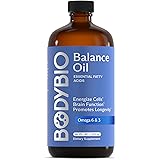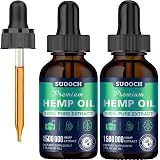

Have you ever found yourself scratching your head, utterly confused by the myriad of terms like CBD oil, hemp extract, hemp seed oil, and just plain hemp oil splashed across product labels? Navigating the increasingly popular world of cannabis-derived products can certainly be a daunting task, especially when clarity regarding their contents often seems to be lacking. The video above provides an excellent initial overview, and this article is intended to expand upon those crucial distinctions, ensuring consumers are well-informed before making any purchasing decisions.
The rise in popularity of products containing cannabidiol, commonly known as CBD, has been nothing short of explosive in recent years. This compound, derived from the Cannabis Sativa plant, has garnered significant attention for its potential wellness benefits. Many individuals are seeking relief from chronic discomfort, anxiety, and inflammation, with CBD often being explored as a natural alternative. While the potential advantages are widely discussed, the industry’s rapid growth has unfortunately outpaced regulation, creating a complex landscape for consumers.
Demystifying CBD: Cannabidiol Explained
At the core of much of this confusion is the term “CBD” itself, which stands for Cannabidiol. This particular compound is merely one of over 100 different cannabinoids that have been identified within the Cannabis Sativa plant. When a product is explicitly labeled with “CBD” in its name, such as “CBD oil” or “CBD gummies,” it indicates that Cannabidiol is an active ingredient present within that formulation. These products are generally understood to be derived from the stalks, stems, and flowers of the hemp plant, which are rich in cannabinoids.
It is important to understand that CBD products are not all created equal; they are often categorized into three main types based on their cannabinoid profile:
- Full Spectrum CBD: This type contains all the naturally occurring compounds found in the cannabis plant, including various cannabinoids (like trace amounts of THC, typically below 0.3%), terpenes, and flavonoids. The presence of multiple compounds is thought to contribute to an “entourage effect,” where they work synergistically.
- Broad Spectrum CBD: Similar to full spectrum, broad spectrum products contain a range of cannabinoids, terpenes, and flavonoids, but the THC content has been entirely removed or is undetectable. This option is often preferred by those who wish to avoid THC completely while still benefiting from other plant compounds.
- CBD Isolate: As the name suggests, CBD isolate is the purest form of CBD, having been processed to remove all other plant compounds, including other cannabinoids, terpenes, and THC. It is typically a white, odorless powder.
Understanding these distinctions is paramount when selecting a product, as the desired effects and legal considerations can vary significantly between them. The unregulated nature of the market necessitates diligent research into product labels and manufacturer claims.
Hemp Extract: A Common Alias for CBD Products
When you encounter a product labeled as “Hemp Extract,” it is generally understood to contain CBD. This terminology is frequently employed by businesses, often for marketing or strategic legal reasons, to identify products that are rich in various cannabinoids, including CBD. The phrase “hemp extract” effectively serves as a legal loophole or a broader descriptor that encompasses the full spectrum of beneficial compounds extracted from the hemp plant, where CBD is the most prominent.
Therefore, if a product specifies “hemp extract” on its packaging, consumers can confidently assume that it contains Cannabidiol. This labeling choice is often made to navigate the nuanced legal landscape surrounding cannabis products, particularly in regions where specific CBD terminology might face stricter regulatory scrutiny. The term itself is believed by some to have emerged several decades ago, although its widespread use in the commercial CBD market is a more recent development.
Hemp Seed Oil: A Nutritional Powerhouse Without CBD
A crucial distinction must be made for “Hemp Seed Oil,” as this product absolutely does not contain CBD. This fact is perhaps one of the most significant points of confusion for consumers. Unlike CBD or hemp extract, which are typically derived from the stalks, stems, and flowers of the Cannabis Sativa plant, hemp seed oil is extracted exclusively from the seeds of the plant. These seeds, while incredibly nutritious, are devoid of cannabinoids like CBD or THC.
Despite the absence of CBD, hemp seed oil is not without its own impressive array of health benefits. It is highly valued for its rich nutritional profile, which includes a high concentration of antioxidants that combat oxidative stress, a robust profile of amino acids essential for protein synthesis, and a particularly beneficial balance of omega fatty acids. Specifically, its ideal ratio of omega-3 to omega-6 fatty acids makes it an excellent dietary supplement. Hemp seed oil is commonly utilized as a culinary oil, much like olive oil, and is also found in a variety of skincare and cosmetic products due to its moisturizing and nourishing properties. It is a fantastic health supplement in its own right, but it must be reiterated: it offers none of the cannabinoid-specific benefits associated with CBD.
The Ambiguity of “Hemp Oil”: Proceed with Caution
Perhaps the most ambiguous and potentially misleading term found on product labels is simply “Hemp Oil.” This generalized designation can refer to one of two vastly different products, creating significant uncertainty for the consumer. It might be used to describe hemp seed oil, which, as previously discussed, contains no CBD. Alternatively, it could be intended to signify hemp extract, which is indeed rich in CBD and other cannabinoids.
Given this inherent ambiguity, a high degree of caution is strongly advised when encountering products simply labeled as “Hemp Oil.” Without further clarification on the label, it becomes nearly impossible to discern whether the product contains Cannabidiol or is merely a nutritional oil derived from hemp seeds. To mitigate this uncertainty, consumers are encouraged to:
- Exercise Skepticism: When a label is not clear, it is often best to err on the side of caution and consider alternative, more transparently labeled products.
- Contact the Manufacturer Directly: Reputable companies will be able to provide precise information regarding the contents of their products. This interaction can offer invaluable insight into what is actually being purchased.
- Request a Certificate of Analysis (CoA): If the company claims the product contains CBD, always ask for a third-party Certificate of Analysis. This document, issued by an independent laboratory, confirms the cannabinoid content, including the specific amount of CBD, and verifies the absence of harmful contaminants.
The current state of the CBD industry, characterized by its “Wild West” nature, unfortunately means that unscrupulous vendors are not uncommon. These individuals may leverage vague terminology to deceive consumers into believing they are purchasing CBD-rich products when, in reality, they are receiving something entirely different or of inferior quality. Vigilance is therefore an absolute necessity.
Navigating the Unregulated Landscape and Ensuring Product Quality
The lack of comprehensive federal regulation within the CBD market presents both challenges and opportunities. While it allows for rapid innovation and product development, it also places a significant burden on consumers to verify the authenticity and quality of what they are buying. The analogy of the “Wild West” accurately captures the current environment, where standards can vary dramatically between manufacturers.
To navigate this landscape effectively, it is recommended that consumers prioritize transparency and verifiable information. Always look for brands that voluntarily engage in third-party laboratory testing. A readily available Certificate of Analysis (CoA) should be considered the gold standard for product verification. This document provides detailed information on:
- Cannabinoid Potency: It confirms the exact levels of CBD, THC (if any), and other cannabinoids present in the product. This ensures the consumer receives the advertised dosage.
- Purity Testing: A comprehensive CoA will also test for contaminants such as pesticides, heavy metals, residual solvents, and microbial impurities. These substances can be harmful if ingested and are unfortunately common in poorly manufactured products.
Without such documentation, there is no guarantee that a product contains the advertised amount of CBD, or that it is safe for consumption. Making informed purchasing decisions requires a proactive approach, including careful label reading and a willingness to investigate the company’s commitment to quality and transparency. By understanding the critical differences between CBD, hemp extract, hemp seed oil, and the ambiguous term “hemp oil,” consumers can better protect themselves and ensure they are investing in products that genuinely align with their health and wellness goals.
Untangling Your Hemp & CBD Questions
What is CBD?
CBD, or Cannabidiol, is a compound found in the Cannabis Sativa plant. Many people explore CBD for its potential wellness benefits, such as relief from discomfort or anxiety.
What is the main difference between “CBD oil” and “Hemp Seed Oil”?
CBD oil contains Cannabidiol, an active compound extracted from the hemp plant’s stalks, stems, and flowers. In contrast, Hemp Seed Oil is made from the seeds and does not contain any CBD or other cannabinoids.
Does a product labeled “Hemp Extract” contain CBD?
Yes, products labeled as “Hemp Extract” are generally understood to contain CBD. This term is often used to describe products rich in various beneficial compounds from the hemp plant, with CBD being the most prominent.
Why should I be cautious when buying products simply labeled “Hemp Oil”?
“Hemp Oil” is a very ambiguous term that could refer to either hemp seed oil (which has no CBD) or hemp extract (which does contain CBD). To ensure you’re getting CBD, always look for clearer labeling or a Certificate of Analysis.
How can I tell if a CBD product is high quality and safe?
Always look for a brand that provides a third-party Certificate of Analysis (CoA). This document verifies the exact cannabinoid content and confirms the product is free from harmful contaminants, like pesticides or heavy metals.