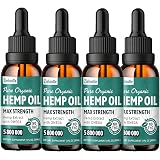

Are you wondering if the buzz around hemp seed oil for hair growth is fact or just another fleeting trend? As Leon discussed in the video above, the world of cannabis by-products can be confusing, especially when it comes to understanding how they might benefit our health, particularly our hair. While the direct link between hemp seed oil and hair growth isn’t a proven fact, its rich nutritional profile offers promising indirect benefits for overall scalp health and, consequently, could support healthier hair. Let’s dive deeper into what hemp seed oil is, how it differs from other cannabis-related oils, and how you might harness its potential for your hair care regimen.
Demystifying Hemp Seed Oil: What It Is and Isn’t
Hemp seed oil, often mistaken for other cannabis derivatives, stands out due to its origin and composition. This versatile oil is specifically extracted from the seeds of the Cannabis sativa plant. Unlike its more controversial relatives, hemp seed oil typically contains negligible to zero levels of Tetrahydrocannabinol (THC), the psychoactive compound responsible for the “high” associated with cannabis. Instead, it’s celebrated globally for its culinary uses, cosmetic applications, and its long-standing role in the health community as a source of vital nutrients and minerals.
Imagine if you could tap into a natural resource that has been used for centuries for its nutritional value, without any of the psychoactive effects. That’s precisely what hemp seed oil offers. Its extraction method, typically through a simple pressing process, preserves its delicate nutritional integrity, making it a valuable addition to a health-conscious lifestyle.
Understanding Hemp Seed Oil vs. CBD Oil: A Crucial Distinction
When we talk about hemp, it’s vital to differentiate between hemp seed oil and CBD oil, as the video highlights. Both originate from the cannabis plant, but their source material and extraction processes vary significantly, leading to distinct chemical profiles and potential applications.
- Hemp Seed Oil: As its name suggests, this oil comes exclusively from the seeds of the cannabis plant. It’s obtained through a cold-pressing method, which helps retain its rich fatty acid content and other nutrients. This oil is known for its excellent omega-3 and omega-6 balance, vital for human health.
- CBD Oil: In contrast, CBD (cannabidiol) oil is extracted from the flowers, leaves, and stalks of the cannabis plant, where cannabinoids are most concentrated. The extraction often involves chemical processes to isolate and concentrate the CBD compound. CBD oil is the subject of extensive scientific research for its potential therapeutic effects, which are distinct from the nutritional benefits of hemp seed oil.
Despite CBD oil being more extensively studied by the scientific community, it doesn’t necessarily mean hemp seed oil is “inferior.” Rather, more dedicated research on hemp seed oil’s capabilities would provide a clearer understanding of its specific benefits, especially concerning areas like scalp health. One might assume they are interchangeable, however, their differences are critical to understanding their unique roles in health and wellness.
The Science Behind Hemp Seed Oil and Hair Health
While current evidence does not directly establish hemp seed oil as a hair growth stimulant, its impressive nutritional composition offers compelling reasons to consider it for overall hair and scalp health. The key lies in its abundance of beneficial compounds, particularly fatty acids.
Fatty Acids: Cornerstones of Healthy Hair
Hemp seed oil is a powerhouse of essential fatty acids, which are indispensable for numerous bodily functions, including those crucial for hair health. According to a 2017 article, its breakdown reveals a robust profile of these vital nutrients. Specifically, it boasts an optimal ratio of omega-3 and omega-6 fatty acids. But why do these matter so profoundly for someone concerned about hair loss?
Fatty acids are fundamental building blocks. They contribute significantly to the structure of cell membranes throughout the body, including the cells within your hair follicles and scalp. Furthermore, these essential nutrients play a critical role in modulating gene transcription, which impacts how cells function and replicate. This foundational support is crucial for maintaining the healthy environment necessary for hair growth.
However, the most direct benefit for hair loss sufferers might be the proven anti-inflammatory properties of fatty acids. Chronic inflammation is a silent saboteur of hair follicles.
Combating Follicle Inflammation: A Key to Hair Preservation
Many forms of hair loss, including the most common type, Androgenetic Alopecia (AGA) or Male-Pattern Baldness, are intricately linked to inflammation within the hair follicles. Whether this inflammation stems from the presence of DHT (dihydrotestosterone) or other factors like scalp tension—a topic still debated in the hair loss community—its impact is clear. Unchecked inflammation can lead to the miniaturization of hair follicles, progressively making it harder for new, healthy hairs to grow. Ultimately, this can result in noticeable thinning and, in severe cases, irreversible balding.
This is precisely where the high fatty acid content of hemp seed oil becomes a potential game-changer. These fatty acids have demonstrated the ability to reduce inflammation. Consider the intriguing finding from one study where hemp seed oil was shown to reduce brain inflammation in mice. While the scalp and brain are different organs, this research underscores the powerful anti-inflammatory potential locked within hemp seed oil’s nutritional profile. By helping to mitigate inflammation, hemp seed oil can contribute to a healthier scalp environment, which is paramount for preventing further hair miniaturization and supporting the growth of existing hair strands.
Imagine your hair follicles as tiny, delicate gardens. When these gardens are inflamed, it’s like trying to grow plants in parched, unhealthy soil. By nourishing the scalp with anti-inflammatory compounds, you create a more hospitable environment, allowing those ‘gardens’ to thrive. Thus, while it might not directly cause new hair to sprout, hemp seed oil can create the optimal conditions for your hair to be at its healthiest.
Incorporating Hemp Seed Oil into Your Hair Care Routine
Ready to explore the potential benefits of hemp seed oil for your hair? Integrating this versatile oil into your daily routine is surprisingly simple, offering both dietary and topical avenues for application. The goal is to provide your body and scalp with its valuable nutrients consistently.
Dietary Integration: Nourishing from Within
One of the most effective ways to leverage the benefits of hemp seed oil is by adding it to your diet. Given its slightly nutty flavor, it’s remarkably versatile. You could, for instance, take a spoonful of hemp seeds or hemp seed oil directly each day as a simple supplement. Alternatively, let your culinary creativity take over:
- Salad Dressings: Whisk it into your homemade salad dressings for a nutrient boost.
- Dips and Marinades: Incorporate it into hummus, pesto, or your favorite meat and vegetable marinades.
- Smoothies: Blend a tablespoon into your morning smoothie for an imperceptible health kick.
- Baking: Substitute other oils with hemp seed oil in certain baking recipes, keeping in mind its unique flavor.
By consuming hemp seed oil, you ensure that the fatty acids and other nutrients are absorbed systemically, benefiting your entire body, including the critical systems that support hair health.
Topical Application: Direct Scalp Support
For a more direct approach to scalp health, topical application of hemp seed oil can be highly beneficial. This method allows the oil to interact directly with the hair follicles and the skin of your scalp.
The process is straightforward:
- Pour a small amount of 100% pure hemp seed oil into your palm.
- Using your fingertips, gently massage the oil into your scalp. Focus on areas where you experience thinning or inflammation.
- You might leave it on for 30 minutes to an hour, or even overnight, before shampooing your hair.
To further enhance its effects, consider combining topical hemp seed oil application with other proven hair regrowth methods. For example, a gentle scalp massage while applying the oil can boost circulation, which is beneficial for follicle health. Some individuals even integrate it with microneedling, allowing the oil to penetrate deeper into the scalp, though caution should always be exercised with such combinations.
Choosing Quality Hemp Seed Oil: What to Look For
Not all hemp seed oils are created equal. As the video emphasizes, paying close attention to the product label is crucial to ensure you’re getting a high-quality oil that will deliver the most benefits for your hair. Investing in a superior product means maximizing its potential.
- Non-GMO Certification: Always prioritize hemp seed oil that is certified non-GMO (Genetically Modified Organisms). This label indicates a commitment to natural cultivation practices and generally suggests a higher quality, purer product. It provides greater assurance about what you’re actually putting into or onto your body.
- 100% Pure Hemp Seed Oil: Scrutinize the ingredient list. The best quality hemp seed oil will list only one ingredient: “100% Hemp Seed Oil.” Be wary of products that contain additives, fillers, or other mixed oils, as these can dilute the potency and reduce the efficacy of the pure oil. The presence of other oils might not only diminish the desired benefits but could also introduce unwanted reactions.
- Cold-Pressed and Unrefined: While not explicitly mentioned in the video, looking for “cold-pressed” and “unrefined” labels can further guarantee quality. Cold-pressing ensures that the oil’s delicate nutrients are not damaged by heat during extraction. Unrefined oil retains more of its natural goodness compared to highly processed alternatives.
- Dark Bottle Packaging: Hemp seed oil is sensitive to light. High-quality products are often sold in dark glass bottles to protect the oil from light degradation, preserving its freshness and nutritional value.
The good news is that with the increasing popularity and accessibility of hemp products, there are numerous reputable sellers both online and in physical stores. This allows you to be discerning and select a product that truly aligns with your quality standards. By making an informed choice, you ensure that the hemp seed oil you use for hair growth and scalp health is as beneficial as possible.
Cultivating Clarity: Your Hemp Seed Oil Hair Growth Q&A
What is hemp seed oil?
Hemp seed oil is extracted from the seeds of the Cannabis sativa plant and typically contains little to no THC. It is valued for its nutritional content and used in cooking and cosmetics.
Is hemp seed oil the same as CBD oil?
No, they are different. Hemp seed oil comes from the seeds and is known for its fatty acids, while CBD oil is extracted from the plant’s flowers, leaves, and stalks and contains concentrated CBD.
Does hemp seed oil directly make hair grow?
While it doesn’t directly stimulate hair growth, its rich nutritional profile offers indirect benefits by supporting overall scalp health. A healthy scalp can promote healthier existing hair.
How does hemp seed oil benefit my scalp and hair?
Hemp seed oil is packed with essential fatty acids, like omega-3 and omega-6, which are vital for cell health. These fatty acids also have anti-inflammatory properties that can help create a healthier environment for hair follicles.
How can I use hemp seed oil for my hair care routine?
You can incorporate it into your diet by adding it to foods like salads or smoothies, or apply it topically by massaging a small amount directly into your scalp.