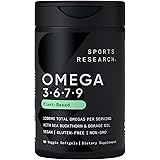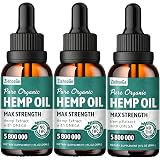

The world of hemp-derived products is quite expansive. Many consumers are seeking natural wellness solutions. This has led to a boom in product availability. Yet, confusion often arises for new buyers. Understanding product labels is therefore very important. A common point of confusion is the distinction between **CBD oil vs hemp seed oil**. These two oils come from the same plant. However, their compositions and benefits are very different. The video above provides an excellent overview. We will now explore these differences in greater detail. This will help you make informed choices.
Understanding Hemp and Its Derivatives
Hemp is a specific variety of the Cannabis sativa plant. It contains very low levels of THC. THC is the psychoactive compound. Federal law specifies this limit. It is typically less than 0.3% THC. This means hemp will not cause a “high.” The plant has been cultivated for centuries. Its fibers, seeds, and extracts offer many uses. Different parts of the hemp plant yield different oils. These oils serve distinct purposes. It is crucial to identify which oil you are buying. This ensures you get the desired benefits.
1. Hemp Extract Oil: The Source of CBD
Hemp extract oil is often labeled as “CBD oil.” It is derived primarily from the flowers and leaves of the hemp plant. These parts are rich in cannabinoids. Cannabinoids are natural compounds. CBD (cannabidiol) is one well-known cannabinoid. Other compounds are also present. These include terpenes and flavonoids. These contribute to the oil’s overall effects. The extraction process is quite sophisticated. It typically involves CO2 or ethanol methods. This pulls beneficial compounds from the plant material. The resulting extract is then diluted. A carrier oil is used, like MCT oil. This makes the product easy to consume.
Types of CBD Hemp Extracts
Hemp extract oil comes in a few key varieties. Each offers a different compound profile. Understanding these types is important. This allows consumers to choose products wisely.
- Full-Spectrum CBD: This extract contains all cannabinoids found in hemp. It includes CBD, minor cannabinoids, and trace amounts of THC. Terpenes and flavonoids are also present. The “entourage effect” is often discussed. This theory suggests compounds work better together.
- Broad-Spectrum CBD: This type is similar to full-spectrum. However, THC is typically removed. It undergoes an additional processing step. Other cannabinoids and terpenes remain. This offers an option for those avoiding THC.
- CBD Isolate: This is the purest form of CBD. All other plant compounds are removed. It typically comes as a white powder or crystal. This is then added to carrier oils. It contains no THC, terpenes, or other cannabinoids.
The Importance of Lab Results
Authentic CBD products will provide third-party lab results. These are also called Certificates of Analysis (COAs). These reports are invaluable. They confirm the cannabinoid content. This includes the amount of CBD and THC. These tests also check for contaminants. Pesticides, heavy metals, and residual solvents are examples. Accessing these results is simple. A QR code on the bottle is common. Alternatively, the company’s website should host them. Consumers are advised to always check these documents. This practice ensures product quality and safety.
2. Hemp Seed Oil: A Nutritional Powerhouse
Hemp seed oil is very different from CBD oil. It is made by pressing only the seeds of the hemp plant. This process is like making sunflower or grape seed oil. The seeds contain almost no cannabinoids. Therefore, hemp seed oil contains negligible CBD or THC. Its value lies in its rich nutritional profile. This oil is a fantastic dietary supplement. It is also excellent for skin and hair care.
Nutritional Benefits of Hemp Seed Oil
This oil boasts an impressive array of nutrients. It is a true superfood. Many health benefits are associated with its consumption. This makes it a popular choice for wellness. Incorporating it into one’s diet is easy.
- Essential Fatty Acids: Hemp seed oil is rich in omega-3 and omega-6 fatty acids. It provides these in an ideal ratio (around 3:1). These are crucial for heart health. They support brain function. They also help reduce inflammation.
- Protein: The oil contains some protein. The seeds themselves are a complete protein source. This supports muscle repair and growth.
- Antioxidants: Vitamin E is abundantly present. Antioxidants protect cells from damage. They fight against free radicals.
- Minerals: Essential minerals are found within. These include zinc, magnesium, calcium, and iron. Zinc supports immune function. Magnesium aids muscle and nerve function.
Culinary Uses for Hemp Seed Oil
Hemp seed oil has a distinctive nutty flavor. It adds depth to many dishes. It should be used carefully in cooking. This oil has a very low smoke point. Heating it to high temperatures is not recommended. This can degrade its beneficial compounds. Its flavor also changes. Instead, it is best enjoyed in unheated applications. Drizzle it over salads for a healthy dressing. Blend it into smoothies for a nutrient boost. It can also be added to dips or pestos. Use it as a finishing oil for roasted vegetables. This adds flavor and nutrients post-cooking.
Skincare and Beauty Applications
The benefits of hemp seed oil extend to beauty. It is highly valued in skincare products. Its unique composition helps nourish the skin. It can address various skin concerns. Many people find it to be a versatile ingredient. This oil is non-comedogenic. It will not clog pores. This makes it suitable for many skin types. It helps maintain a healthy skin barrier. It also supports overall skin health.
- Moisturizer: It balances oil production effectively. This makes it suitable for both oily and dry skin. It hydrates without leaving a greasy residue.
- Anti-Inflammatory Properties: Its omega fatty acids soothe irritation. They can reduce redness. This makes it beneficial for conditions like eczema and acne.
- Anti-Aging Effects: Antioxidants like Vitamin E help protect against environmental damage. This can reduce the appearance of fine lines and wrinkles.
- Antimicrobial Benefits: Hemp seed oil helps strengthen the skin’s resistance. It fights against bacterial, viral, and fungal infections. It supports a healthy skin microbiome.
Distinguishing Misleading Marketing
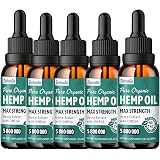
Consumers must exercise caution. Many products are deceptively marketed. Some brands label hemp seed oil as “hemp oil.” They use packaging similar to CBD products. Their claims often imply CBD-like benefits. Yet, these products contain no actual CBD. Their price is usually very low. This is a clear indicator. True CBD products involve complex extraction. Their pricing reflects this process. Always scrutinize labels closely. Look for “hemp extract oil” or “cannabidiol.” Always demand lab results. This protects consumers from ineffective purchases. Remember the differences between **CBD oil vs hemp seed oil**. Your health and wallet will thank you for being informed.
Demystifying the Oils: Your CBD vs. Hemp Seed Oil Queries
What is the main difference between CBD oil and hemp seed oil?
CBD oil, also called hemp extract oil, comes from the flowers and leaves of the hemp plant and contains cannabinoids like CBD. Hemp seed oil is made by pressing only the seeds and is valued for its nutritional content, but has almost no CBD.
Will products made from the hemp plant make me feel ‘high’?
No, hemp is a variety of the Cannabis sativa plant with very low levels of THC, typically less than 0.3%, which means it will not cause a psychoactive ‘high.’
How can I check if a CBD oil product is genuine?
Authentic CBD oil products should always provide third-party lab results, known as Certificates of Analysis (COAs). These reports confirm the cannabinoid content, including CBD and THC levels, and test for contaminants.
What are some common uses for hemp seed oil?
Hemp seed oil is known for its rich nutritional profile, making it a great dietary supplement for heart and brain health, and it’s also widely used in skincare for moisturizing and soothing properties.