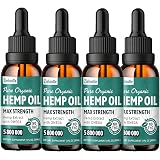

As you may have gathered from the video above, CBD oils stand out as the initial entry point for countless individuals exploring the world of cannabidiol. They remarkably constitute over 75% of all CBD products currently available on the market, illustrating their widespread acceptance and undeniable popularity. This high demand underscores why understanding the nuances of these products is absolutely crucial for any consumer. Delving into the specifics of CBD oils empowers users to make well-informed decisions that truly align with their personal health goals and preferences.
Embarking on your personal CBD oil journey demands careful consideration of several pivotal factors. The market offers a vast array of products, each designed to cater to different needs and experiences. Making the right choice involves more than simply picking a bottle; it requires appreciating the science behind CBD, understanding various product formulations, and recognizing the importance of proper administration. We will explore these critical aspects further, guiding you toward selecting the ideal CBD oil for your unique wellness regimen.
Understanding CBD Oil Strengths and Dosing
One of the most important aspects to consider when choosing a CBD oil is its strength and the recommended dosing instructions. Products often display their total CBD content in milligrams per bottle, such as the 1000-milligram example discussed in the video. This figure indicates the overall CBD content, but it is equally vital to understand the CBD content per individual dose. Consequently, always carefully review the label for specific dosing recommendations to ensure accurate intake.
Regulatory guidelines, for instance, generally advise adults not to exceed 70 milligrams of CBD per day. This crucial guideline helps ensure safe and effective use for most individuals navigating the world of CBD products. Therefore, a higher strength oil might reach this limit with just a single small dose, while a lower strength product would require multiple doses throughout the day. Starting with a low dose and gradually increasing it allows your body to adapt, helping you discover the optimal amount that works best for your specific needs.
The Importance of Graduated Pipettes for Precise Dosing
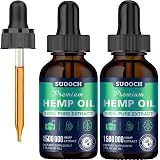
Accurate dosing becomes much simpler with the right tools, and a graduated pipette is an excellent example of this precision. Unlike a blank dropper, a graduated pipette features measurement markings that indicate specific milligram amounts per dose. Imagine you have a 1000mg CBD oil and its graduated pipette shows clear lines for different dosages.
This precision allows you to easily measure out a quarter or half pipette, ensuring you receive a consistent and controlled amount of CBD every time. This level of accuracy is especially important when you are beginning your CBD journey and are diligently trying to find your ideal dosage. Consistently measuring your doses supports a more effective and personalized CBD experience, fostering confidence in your routine.
Administering CBD Oil for Optimal Results
The method of administering CBD oil plays a significant role in its overall effectiveness and the speed at which you experience its benefits. Sublingual administration, which involves placing the oil directly under the tongue, is widely favored for its superior bioavailability. This technique bypasses the digestive system, allowing the CBD to enter the bloodstream more rapidly and efficiently.
When you place CBD oil under your tongue, you should allow it to rest there for at least a couple of minutes before swallowing. This extended contact time enables the rich network of capillaries, which are tiny blood vessels, located beneath the tongue to absorb the CBD directly. This direct absorption into the bloodstream ensures that a higher concentration of CBD reaches your system faster than if you were to simply swallow the oil. Consequently, the effects can be felt more quickly and are often more potent.
Exploring Different Types of CBD Oils
The market presents a fascinating variety of CBD oils, each offering a distinct profile and user experience. Understanding these differences is key to selecting a product that truly aligns with your wellness goals and personal preferences. From potent full-spectrum options to milder refined alternatives, each type brings unique advantages to the table. Let’s delve deeper into the characteristics that differentiate these prominent CBD oil types.
100% Cannabis Formula: The Full Spectrum Experience
A “100% cannabis formula” CBD oil represents a premium product that is derived entirely from the cannabis sativa L plant, often referred to as full-spectrum hemp extract. This means that not only does it contain CBD, but it also includes a comprehensive array of other beneficial compounds naturally found in the plant. These valuable components include a wide range of cannabinoids, terpenes, and flavonoids, which work synergistically together.
This rich blend of plant compounds is responsible for what is often termed the “entourage effect,” where the combined action of multiple cannabis constituents is thought to be more effective than CBD alone. Consequently, these oils often have a distinctive taste, described as peppery or vegetal, due to the natural presence of these powerful phytochemicals. Choosing a 100% cannabis formula means embracing the full potential of the hemp plant, offering a more holistic approach to wellness.
Refined vs. Raw CBD Oils: Purity and Potency
The visual appearance and taste of CBD oil can often indicate its processing method, leading to distinct user experiences. Refined CBD oils typically possess a golden, clear appearance, akin to high-quality olive oil, due to a rigorous filtration and purification process. This refining removes much of the plant matter, including chlorophyll and waxes, resulting in a smoother, milder taste that is often more palatable for new users.
In contrast, raw CBD oils are characterized by their dark, thick, and viscous texture, reflecting their minimally processed state. These oils retain a higher concentration of the plant’s natural components, such as chlorophyll and denser cannabis nutrients, delivering an amplified flavor profile that can be quite intense. While both refined and raw oils contain similar amounts of CBD, raw oils are championed for their abundance of additional phytochemicals, potentially offering an enhanced “entourage effect” for those seeking a more robust plant-based experience. Ultimately, the choice between refined and raw is a matter of personal preference, balancing taste and the desire for maximum plant goodness.
Budget-Conscious Alternatives and Modern Innovations
For consumers seeking more affordable options or specific user conveniences, the CBD market also provides excellent alternatives to premium 100% cannabis formulas. These budget-friendly CBD oils often utilize alternative carrier oils, such as MCT (medium-chain triglyceride) coconut oil or olive oil, instead of solely relying on hemp-derived carriers. While still providing effective CBD delivery, these formulations can significantly reduce the overall cost of the product.
Moreover, these alternative products frequently incorporate innovative features designed to enhance user experience. Many come in a variety of natural flavorings, which can make the taste more appealing to those who find the natural vegetal notes of full-spectrum oils less desirable. Another common innovation is the inclusion of a spray cap instead of a traditional pipette dropper, offering a different, often more convenient and precise method of administration. Imagine a quick, consistent spray, which ensures a uniform dose every time, providing ease of use for individuals on the go. These choices allow consumers to select a CBD oil that not only fits their budget but also aligns perfectly with their lifestyle and palatability preferences.
The Power of Personal Preference and Bioavailability
Ultimately, choosing the right CBD oil is a deeply personal decision, influenced by your individual preferences, budget, and desired effects. The market offers a broad spectrum of products, from full-spectrum oils rich in plant compounds to refined options with smoother tastes, and even budget-friendly alternatives with convenient spray caps. Each product aims to provide a unique experience, catering to diverse consumer needs and expectations.
Regardless of the type you select, CBD oils are highly prized for their excellent bioavailability, especially when administered sublingually. This means a significant portion of the CBD you consume effectively enters your bloodstream, maximizing the benefit of each dose. This efficient absorption contributes to a quicker onset of effects and a reasonably long-lasting presence in your system. This makes CBD oils a popular and effective format, earning a high overall score for their utility and efficacy in the wellness landscape.
Demystifying CBD: Your Questions Answered
What is CBD oil?
CBD oils are a very popular type of product derived from the cannabis plant, specifically cannabidiol. They are often the first choice for many people exploring CBD for their wellness goals.
How do I figure out the right amount of CBD oil to use?
Always check the product label for specific dosing recommendations, as the total CBD content in the bottle is different from a single dose. Start with a low dose and gradually increase it until you find the amount that works best for your needs.
What is the best way to take CBD oil for good results?
The most effective method is sublingual administration, which means placing the oil directly under your tongue. Hold it there for at least a couple of minutes before swallowing to allow for quicker absorption into your bloodstream.
What is “full-spectrum” CBD oil?
Full-spectrum CBD oil contains not only CBD but also many other beneficial compounds naturally found in the cannabis plant, like other cannabinoids, terpenes, and flavonoids. These components work together in what’s known as the “entourage effect,” which may offer more comprehensive benefits.
Are there other types of CBD oils besides full-spectrum?
Yes, there are also refined CBD oils, which are clearer and milder in taste, and raw CBD oils, which are darker, thicker, and have a stronger natural flavor. You can also find budget-friendly options that use different carrier oils or come with convenient spray caps.