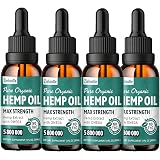

Have you been wondering what exactly CBD is and why it has garnered so much attention in the health and wellness sphere? As was explored in the video above, Cannabidiol, or CBD, is quickly becoming a household name, often associated with a wide array of potential health benefits.
The interest in this compound is palpable, with many people exploring its uses for everything from managing anxiety and chronic pain to addressing issues like arthritis and sleep disturbances. Recent studies, such as one conducted in Canada, have even begun to suggest that CBD could play a role in preventing and aiding recovery from certain viral conditions. Understanding this powerful plant derivative means delving into its origins, its interaction with the human body, and the scientific insights that support its therapeutic claims.
Understanding Cannabidiol: A Natural Compound from Hemp
CBD, shorthand for Cannabidiol, is a compound that is derived from the flower of the cannabis or hemp plant. The hemp plant is rich in a unique class of molecular compounds, known as phytocannabinoids. While more than eighty different phytocannabinoids have been identified, the two most commonly recognized are THC and CBD.
It is important to distinguish between these two key compounds. THC is widely known as the psychoactive ingredient in cannabis, meaning it is the compound responsible for the “high” sensation. Conversely, CBD is an anti-psychoactive ingredient, which means it does not produce intoxicating effects. This fundamental difference is often a significant factor for individuals considering CBD for wellness purposes, as it allows for potential therapeutic benefits without altered mental states.
Marijuana vs. Hemp: A Critical Distinction
The cannabis plant exists in various forms, cultivated for different outcomes. Marijuana, for instance, is a variety of cannabis that is rich in THC and has historically been cultivated for its psychoactive properties. Hemp, on the other hand, is a cannabis plant bred to be low in THC (typically below 0.3% THC by dry weight) and higher in other beneficial cannabinoids, including CBD and CBG.
Historically, hemp was primarily cultivated for its remarkably tough fibers, which have been utilized in a vast range of products, from car fenders to entire houses constructed using a material called hempcrete. The re-evaluation of hemp’s therapeutic potential, particularly its CBD content, led to a significant shift in its legal status. In December 2018, the federal government officially legalized hemp, driven by a growing body of scientific evidence highlighting CBD’s therapeutic attributes. This landmark legislation, often referred to as the 2018 Farm Bill, paved the way for the burgeoning CBD market, allowing more individuals to access and experience the benefits this versatile plant can offer.
The Endocannabinoid System: How CBD Interacts with Your Body
A crucial piece of the puzzle in understanding CBD’s effects lies within the human body’s own regulatory system: the Endocannabinoid System (ECS). This intricate system was discovered approximately three decades ago and is now recognized as one of the largest receptor systems in the human body. Its receptors are found throughout the central nervous system, the cardiovascular system, and various organs, indicating its widespread influence.
Scientists generally believe that the Endocannabinoid System is among the most vital physiological systems involved in human health. This is because it plays a critical role in regulating both mood and homeostasis, effectively keeping internal bodily systems balanced and functioning optimally. Our bodies are constantly subjected to external stressors and inflammation from the environment and daily activities. The ECS is responsible for modulating these responses, helping the body return to a state of equilibrium. It is often observed that inflammation is at the root of nearly every single chronic disease within the body, underscoring the importance of a well-functioning ECS.
CBD’s Mechanism of Action
The human body naturally produces its own endocannabinoids, which are molecular compounds nearly identical to the phytocannabinoids found in the hemp plant. CBD does not directly bind to the receptors within the ECS. Instead, its primary mechanism of action involves preventing the breakdown of these naturally occurring endocannabinoids in the body. This interaction allows the body’s own endocannabinoids to remain active for longer, thus enhancing their natural regulatory effects.
This method of action is quite similar to how some anti-anxiety medications function. When CBD is introduced, it is not believed to change or block existing bodily functions directly. Rather, it supports the body’s innate ability to produce and utilize more of what it likes and needs to maintain balance. The Endocannabinoid System contributes to feelings of calmness, happiness, and relief, and by supporting it, CBD is thought to amplify these beneficial sensations.
Therapeutic Applications and Potential Benefits of CBD
The widespread presence of endocannabinoid receptors throughout the body, extending beyond just the brain, suggests the broad potential for CBD. It has been shown to be effective when applied topically, contributing to the reduction of localized inflammation and overall body pain. This topical application is particularly favored for muscular aches or joint discomfort, offering targeted relief.
Beyond this, early studies also suggest that CBD might possess properties that could help fight certain cancers, and it has already secured a place in supportive cancer treatment for its ability to reduce nausea and manage pain experienced by patients. The anti-inflammatory and pain-modulating effects are a significant area of ongoing research and application.
CBD for Anxiety: Activating Adenosine
Anxiety is one of the most common reasons individuals turn to CBD, but the exact mechanism behind its calming effects might not be widely understood. CBD has a powerful ability to activate a specific type of receptor known as adenosine. To grasp this, it helps to consider the opposite effect, often experienced with caffeine.
Caffeine is classified as an adenosine blocker. It functions by attaching itself to the same receptors that adenosine would normally occupy, thereby preventing adenosine from binding. As adenosine levels in the body increase, drowsiness typically occurs; by blocking these receptors, caffeine delays or prevents this drowsiness. CBD, conversely, activates adenosine. This can be conceptualized as having an effect opposite to that of caffeine when it comes to anxiety. While excessive caffeine intake can lead to feelings of anxiousness, CBD is believed to contribute to a sense of calm and relaxation through this adenosine activation pathway.
Navigating CBD Products and Ensuring Quality
According to the World Health Organization (WHO), CBD exhibits “no effects indicative of any abuse or dependence potential,” and “to date, there is no evidence of public health-related problems associated with the use of pure CBD.” These findings offer reassurance regarding the safety profile of CBD. However, it must be acknowledged that research into CBD’s full effects and applications is still relatively new and continuously evolving. This nascent stage of research means that many CBD products are released without comprehensive regulation, which can unfortunately lead to inconsistencies in potency and overall quality.
The actual CBD content and quality can vary significantly from one product to another. Some CBD products, even those that are legal because they contain less than 0.3% THC, might still contain trace amounts that could potentially result in a positive drug test for marijuana. Therefore, it is absolutely essential for consumers to conduct thorough research when selecting CBD brands to ensure they are purchasing a high-quality product that genuinely delivers the benefits of the full plant. Look for brands that provide third-party lab testing results, often called a Certificate of Analysis (COA), which verify the cannabinoid content and absence of contaminants.
Many questions about CBD still need to be answered by the scientific community. For example, the optimal form of CBD (e.g., oil, capsule, topical) for different conditions and the recommended dosage for various therapeutic outcomes are areas requiring further investigation. As new information is constantly emerging, staying informed about the latest research and product advancements is key for anyone interested in integrating CBD into their wellness routine.
Getting Clear on CBD: Your Questions, Professional Answers
What is CBD?
CBD, or Cannabidiol, is a natural compound derived from the flower of the cannabis or hemp plant. It is becoming popular for its potential health and wellness benefits.
What is the main difference between CBD and THC?
THC is the psychoactive ingredient in cannabis that causes a ‘high,’ while CBD is anti-psychoactive, meaning it does not produce intoxicating effects. This allows for potential therapeutic benefits without altered mental states.
How does CBD interact with the human body?
CBD interacts with your body’s Endocannabinoid System (ECS), a system that helps regulate mood and keep internal bodily systems balanced. It works by preventing the breakdown of your body’s naturally produced endocannabinoids, enhancing their effects.
Is CBD safe, and how can I find a high-quality product?
CBD is generally considered safe, with no reported abuse or dependence potential by the WHO. To find a quality product, always look for brands that provide third-party lab testing results, also known as a Certificate of Analysis (COA).